
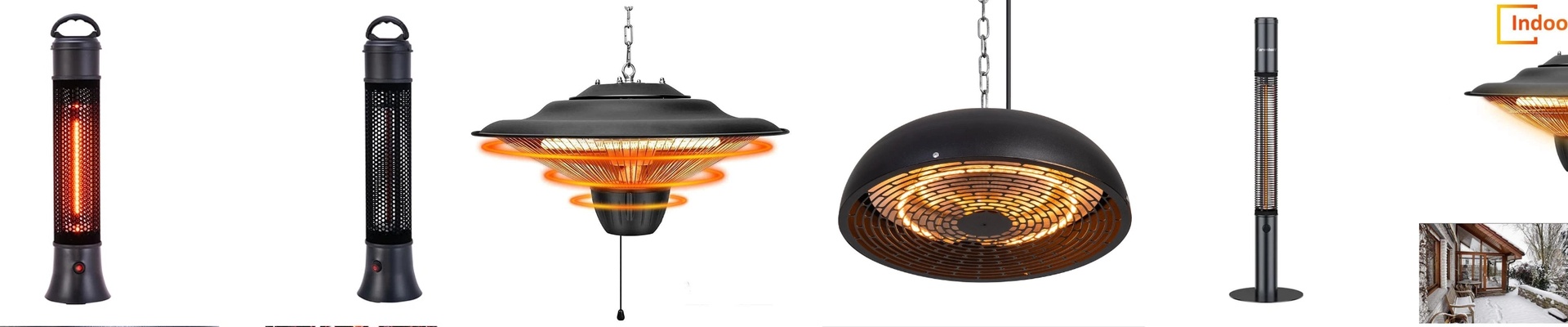



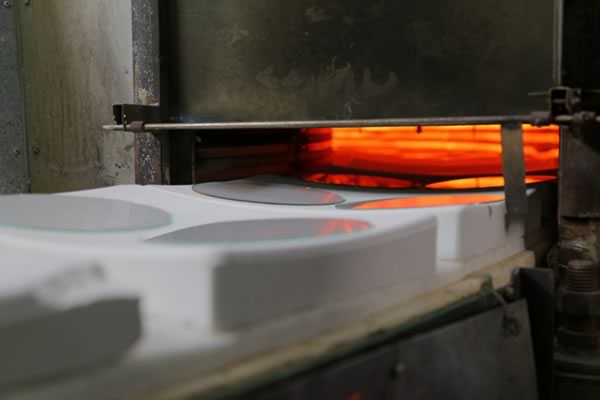
On the tempering line, forehearth stability isn’t a nice-to-have. It’s the difference between hitting yield and paying for off-spec glass. When the thermal profile drifts, quench goes uneven, bow shows up, and you get optical distortion. We built our forehearth heating element to hold steady where it matters.
What matters under the hood
We run short-wave quartz infrared emitters tuned for fast response and tight control in the forehearth zone. Ramp-up hits 180°C in 60 seconds, so changeovers don’t turn into a waiting game for mass to equalize. Across the active length, uniformity is ±3°C at a 650°C setpoint, which cuts the thermal gradients that push stress fractures after bending and quench. Power density sits at 25–32 W/cm², sized to match forehearth geometry so heat lands where the glass flows, not into the refractory. Each element is rated to 1200°C, with low thermal inertia and consistent emissivity for repeatable soak profiles.
Why it plays in tempering
In tempering, the forehearth has to deliver stable, even heat before the glass hits the quench. Our element shrinks the stabilization window, so you can run faster without chasing temperature swings. You end up with fewer edge waves, less scrap from thermal shock, and flatness that stays predictable shift after shift. Energy use drops, too, because the element heats on demand and holds setpoint with minimal overshoot, avoiding the steady bleed you get from slower convection systems. In lamination and coating drying preheat zones, that same responsiveness tightens dwell control, which helps adhesion and curing stay consistent.
Field notes that save headaches
Installation is straightforward—drop it in—but clearances matter. Keep the specified gap to the glass path and double-check reflector alignment; misalignment hurts uniformity and can cook hot spots. Expect element surface temps above 900°C during operation, so shield nearby instrumentation and run leads rated for the heat. Match voltage and connectors to what you already have, and in high-humidity environments, plan routine checks on quartz integrity to keep performance stable.