How to Stop Your Glass from Shattering (Without Slowing Down)
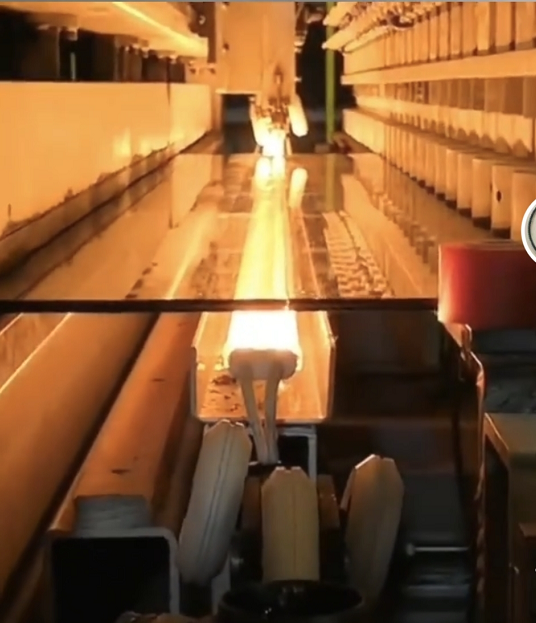
Tempering glass is always a bit of a tightrope walk. You need to get it hot—fast—but if you push too hard, the whole thing just cracks. It’s frustrating. But if you play it too safe and slow things down, your production numbers tank. We’ve found a way to stop that tug-of-war using short-wave IR lamps and gold reflector plates. Why bother with gold? Most people start with aluminum reflectors, but here’s the problem: they soak up too much energy. Gold is different. It bounces back about 98% of that infrared heat. Instead of wasting power heating up the air or the furnace walls, you’re pushing almost all that energy straight into the glass. It means you get a massive punch of heat without needing a giant furnace or a power supply that breaks the bank. Avoiding the “Pop” To keep the glass from hitting that thermal shock point, you can’t just flip a switch on and off. You need a system that reacts in milliseconds. We pair these lamps with SCR controllers. This lets you nudge the temperature up in stages rather than slamming it. If the glass surface gets too hot, you can kill the power instantly. Short-wave IR is the secret sauce here. It doesn’t just warm the surface; it actually penetrates the glass. When you combine that with a gold reflector, the heat is focused and directional. It’s efficient. The Trade-offs Now, I’ll be honest: gold isn’t cheap. It’s a real investment compared to polished steel. And you have to baby it. A few greasy fingerprints or a couple of scratches on that gold surface can create “cold spots,” which ruins your consistency. You’ll need a solid cleaning routine to keep things running right. One last thing—don’t ignore your cooling fans. Even though the gold pushes the heat forward, the ends of the lamps still get scorching. If you don’t vent that heat away from the housing, you’ll fry your connectors and kill your lamps way sooner than you should.