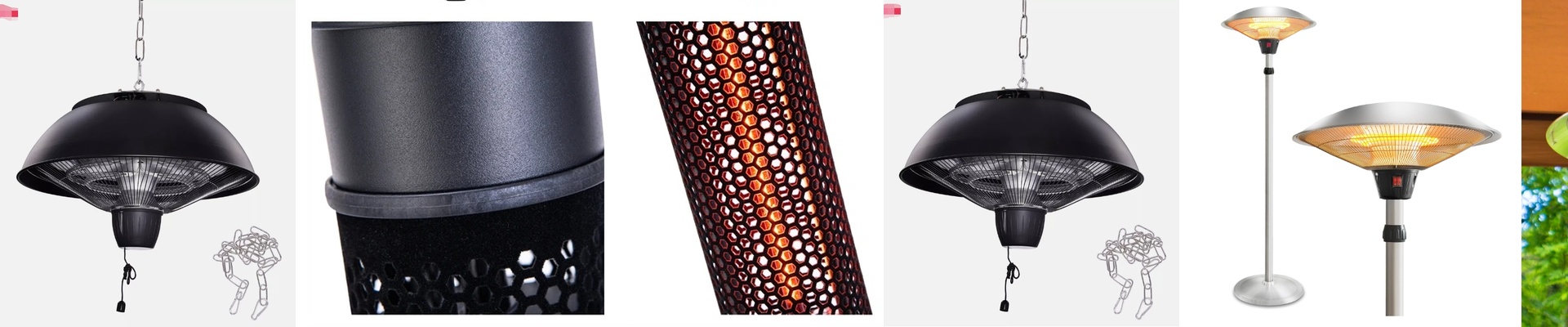
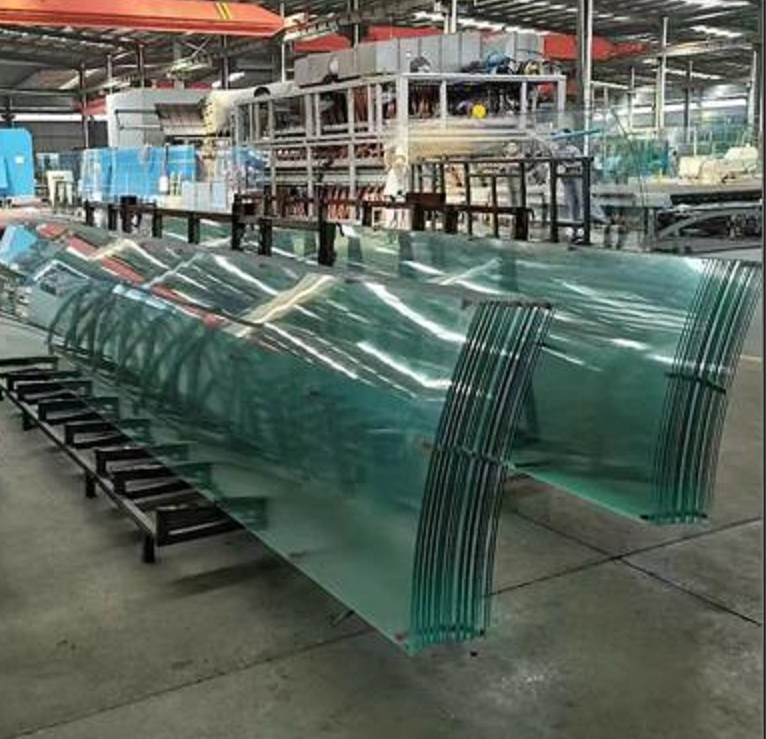
On the glass line, heat timing isn’t a suggestion—it’s the process. If furnace zones lag or the laminating press is waiting on temperature, you lose seconds that pile up into scrap, rework, and overtime. We built the 2000W halogen infrared lamp to cut that uncertainty and put repeatable heat where it counts: across the glass, fast and even. What matters, technically It’s a 2000W halogen infrared unit, with a quartz envelope and a compact filament geometry. The short-wave output responds quickly—full power in seconds—so you can keep pace with tempering and bending cycles without overshoot. The 2000W rating gives you enough watt density to cover standard panel sizes, while PID control keeps the zones stable. In practice, that means fewer temperature swings at the glass surface and less risk of thermal stress fractures during heating. Why it works in the real workflows In tempering and bending, uniform heating cuts optical distortion and edge stress, so yield improves. In EVA/SGP/PVB lamination, the lamp gets the stack to flow temperature fast, shortening press dwell and reducing bubbles. For coating drying and insulating glass sealing, the focused infrared energy cures or dries without dumping excess convection heat into the part, which helps you avoid warpage and seal failure. Energy use drops because the lamp heats on demand and cools quickly, cutting standby losses. Maintenance gets easier, too—the unit is a straightforward replacement module, so less downtime and fewer service calls. The details that keep it honest Installation is simple, but alignment is where the job is won or lost. Position the lamp to avoid hot spots and shadowing; even a small offset can show up as uneven curvature or inconsistent lamination quality. Double-check mounting hardware, reflector geometry, and airflow around the lamp. The quartz envelope is sensitive to contamination—keep the lens clean, protect it from contact, and stick to the rated duty cycle to preserve filament life. Set up right, the lamp runs as a dependable, repeatable heat source that keeps the line moving.