Introduction
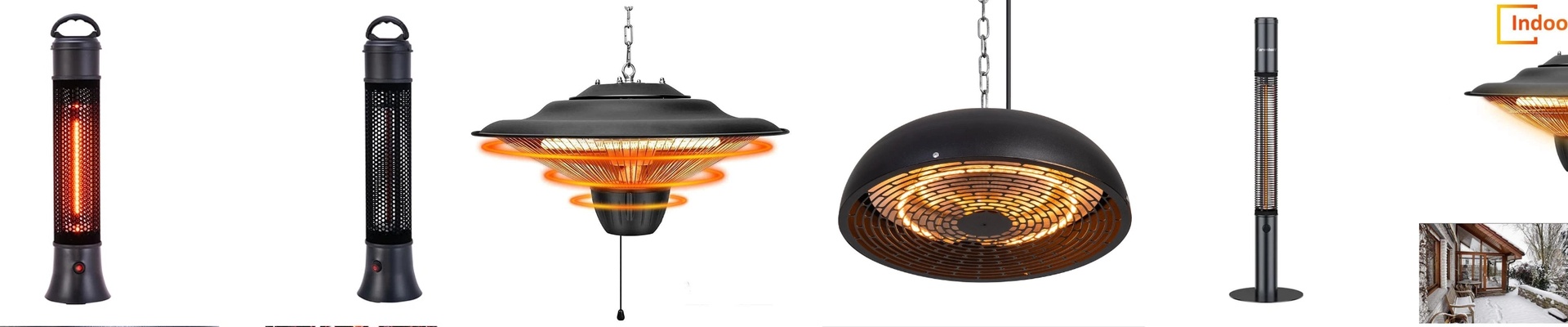
Ever stepped into an attic sunroom or finished attic only to feel the heat just… vanish? We felt that frustration, too. So we built a USB-powered infrared heater to fix it. It’s not trying to be everything to everyone. It’s a focused solution for those tricky glass-heavy spaces where conventional heat just gives up. The idea? Give you warmth that lands where you need it, stays steady, and doesn’t demand a full electrical overhaul. How? By leaning on the simple physics of radiant heat. The heat travels straight from the source to the object—bypassing the air that glass is always busy stealing away.
Power and Voltage: Keeping It Simple
We matched the specs to the real-world problem. The heater stays compact and runs off USB, so you can put it exactly where you need it—no chasing high-voltage lines into tight corners. The wattage is tuned to make up for the heat loss through big glass areas, essentially putting back what the room keeps losing. And the voltage? It’s chosen to work with standard low-voltage circuits. So you can install it without rewiring your whole place. You get flexibility where it matters: mounting it where it works best, not where the wiring happens to allow.
The Core: Quartz Halogen + R7s
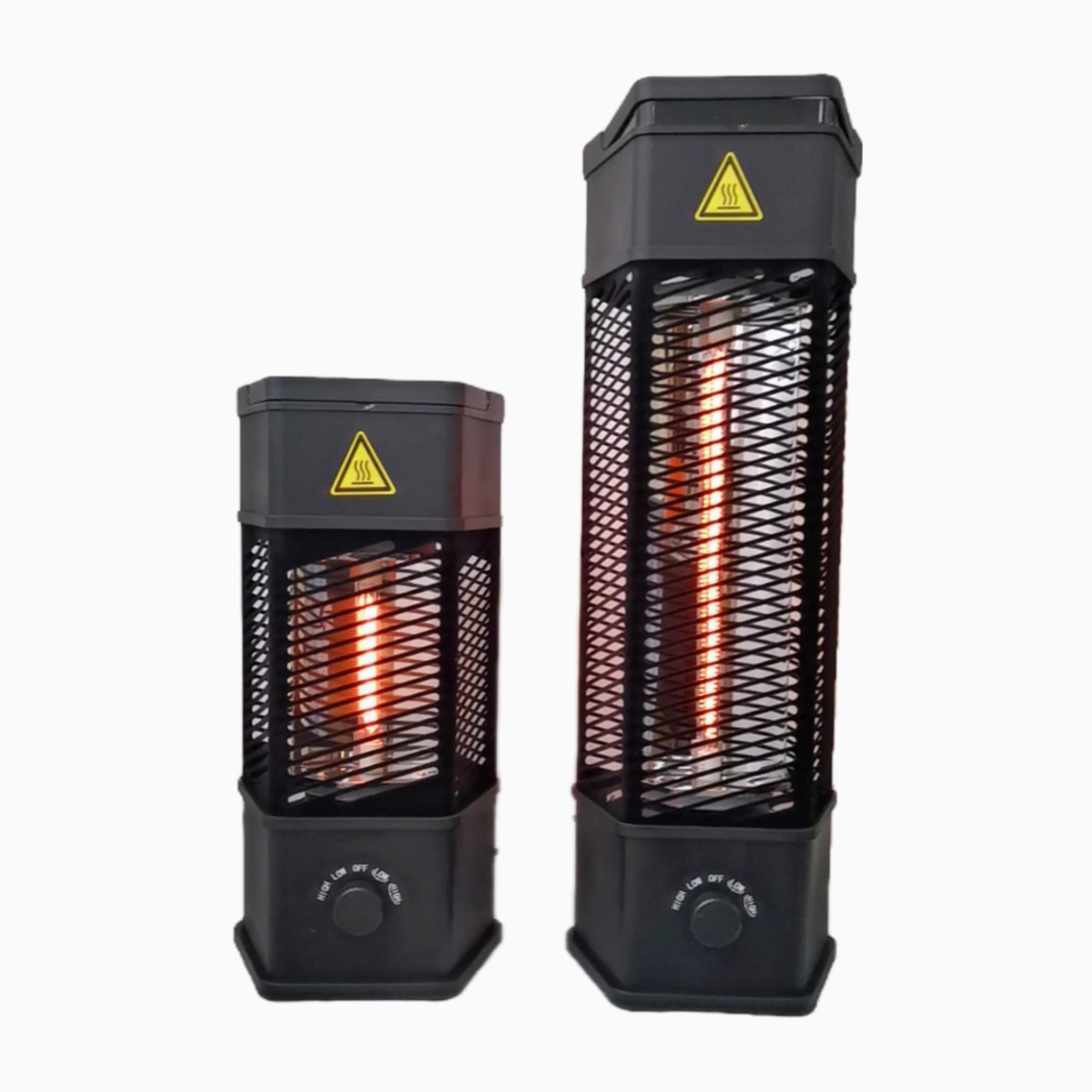
Inside, you’ll find a quartz halogen tube. Quartz can handle serious heat without cracking, and the halogen cycle keeps the output consistent over time. That matters when you just want warmth you can count on. It puts out shortwave infrared that cuts through the air with minimal absorption, so the heat lands on floors, furniture, and people—not in the air that glass immediately sucks away. We pair it with an R7s connector, a dependable industrial-style interface. It drops right into standard sockets, gives a secure connection, and helps reduce voltage drop and hot spots that can kill cheaper terminals.
Why It Works in Attic Sunrooms
In a sunroom, glass is the main culprit for heat loss. Traditional convection heaters warm the air, and that warm air is the first thing to disappear through the glazing. Infrared changes the game. The radiant energy warms surfaces directly, and the glass actually acts as a partial barrier, slowing the heat from radiating back out. You can aim the beam where people actually sit, so you’re not pouring energy into empty space. The payoff? A more stable temperature, less on-off cycling, and a lower overall energy draw.
The Trade-Off (And How to Play It Smart)
Radiant heat concentrates in the beam, so if the unit is mounted too close to sensitive materials, you can get localized overheating. Easy fix: match your mounting distance and beam angle to the room, and pair the heater with a simple thermostat. That way, you keep things comfortable without constant cycling.
The Bottom Line
This heater was built to outsmart the physics of glass-heavy rooms. It brings together USB-powered convenience, quartz halogen shortwave infrared, and a tough R7s connection to hit the heat loss at the source, hold steady temperatures under large glass, and install without tearing into your wiring. For attics and sunrooms, it’s a practical solution that’s grounded in physics, not hype.