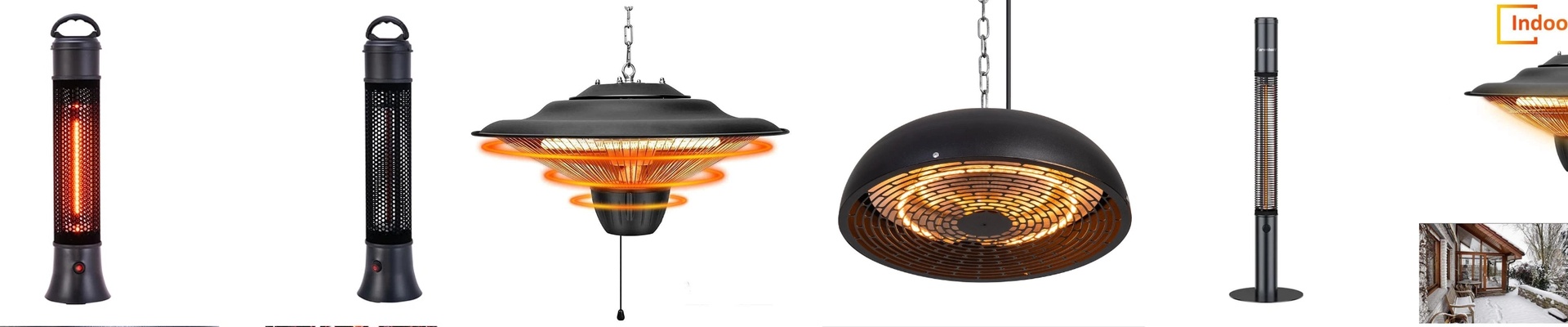




On the bending and molding floor, the heat profile isn’t just a setting—it is the process. Let the thermal field drift, and you’ll see it immediately: thermal stress cracks, optical distortion right across the bend zone, and warp that sends parts back for rework. We built our glass molding heating elements for one reason—steady, repeatable heat across the whole mold face. What matters under the hood These elements run short-wave infrared, with high-density filaments and engineered reflectors that keep the heat in a tight envelope. The payoff is even temperature across the surface, so you don’t get hot spots and cold edges. In practice, the glass hits a consistent temperature before forming, which cuts down thermal shock at contact and keeps optical quality where it needs to be. The quartz envelope responds fast, stands up to thermal shock, and holds stable output when you’re cycling continuously. We size power and dimensions to match common mold footprints so the heat pattern follows the geometry—instead of fighting it. Why this matters on the line Even heating protects yield, plain and simple. When heat is uniform, the glass transitions more predictably through bending, which keeps stress from showing up later as spontaneous breakage. You also get faster ramp-up, which shortens cycle time on press bending and gravity bending lines—without chasing temperature swings. Energy use drops because the element heats on demand and holds the target profile with less overshoot, and that stable profile cuts scrap from distortion and optical defects. Here are the practical details Installation is straightforward, but you still need proper clearance, clean mounting surfaces, and terminal connections that stay tight. Operating life depends heavily on voltage stability and what the ambient conditions look like around the mold zone. If your line runs frequent wet-dry cycles, keep moisture away from the terminals and stick to the recommended preheat routine to avoid thermal shock at startup.