
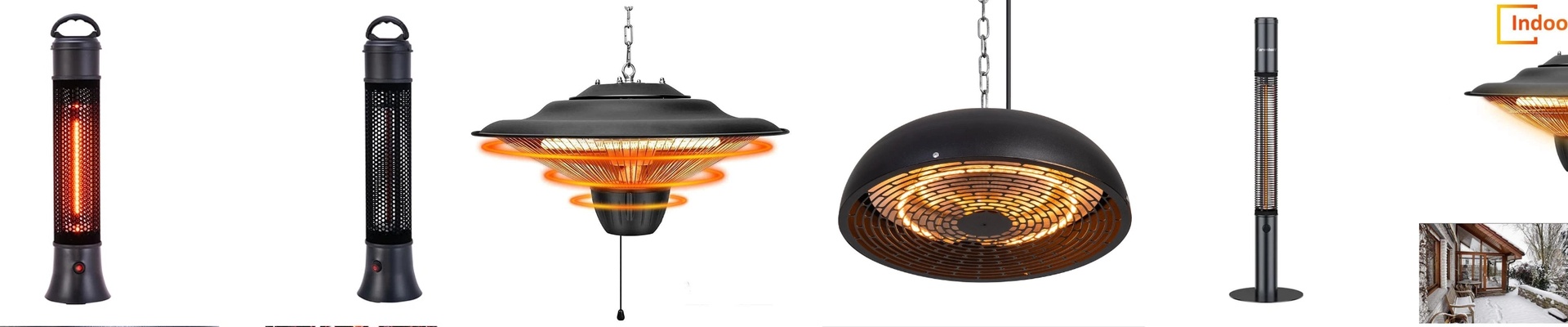



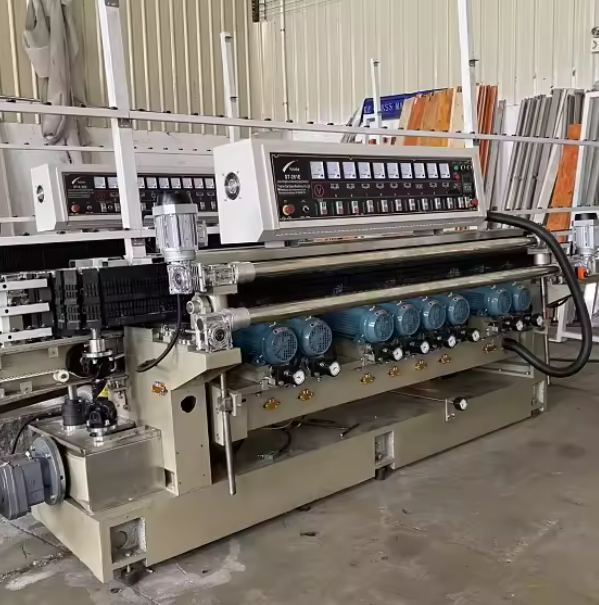
Out on the line, glass doesn’t wait. The tempering furnace is climbing, the bending oven is holding a tight profile, the lamination press is cycling fast. If the heating system stumbles, you don’t just get downtime—you get scrap, rework, and late shipments. In glass processing, heat isn’t a backdrop. It is the job. Here’s what we focus on technically. We build our quartz heaters around short-wave infrared elements that jump to temperature in seconds, so you hit setpoints without dragging the whole oven through a slow ramp. Power density is matched to the work—dense zones where bending demands it, broader coverage for preheating and annealing. The quartz tube keeps output stable through repeated thermal shock, and the internal filament geometry keeps the thermal field even—critical when the glass is sensitive to local hot spots. We spec the leads, terminations, and mounting to drop into standard equipment footprints, so the module installs as a direct replacement without re-engineering the machine. Why this matters where the glass meets the heat. In tempering, rapid, uniform heating supports consistent quenching. That keeps optical quality in line and edge compression on spec. In bending, the oven holds the mold temperature profile, so the glass takes the shape predictably—no wrinkles, no memory. On lamination lines, stable heater output cuts cycle variability, and that matters when PVB or SGP needs repeatable tack and pressure control. The payoff is straightforward: fewer fractures, fewer optical distortions, and more good parts per hour. Energy use drops because the heater delivers heat on demand, instead of running a long warm-up with heavy convection losses. A few practical notes. Quartz heaters respond fast, but they need clean, aligned mounting and controlled voltage. Surface temperature is high, so clearances and guarding are not optional. For retrofits, confirm the electrical service and how the controls are set up—SCR, contactor, or PID—so the heater matches the existing control strategy. Build in routine inspections of insulation, terminations, and reflectors. When those details are handled, the heater behaves like a predictable process variable. Not a maintenance surprise.