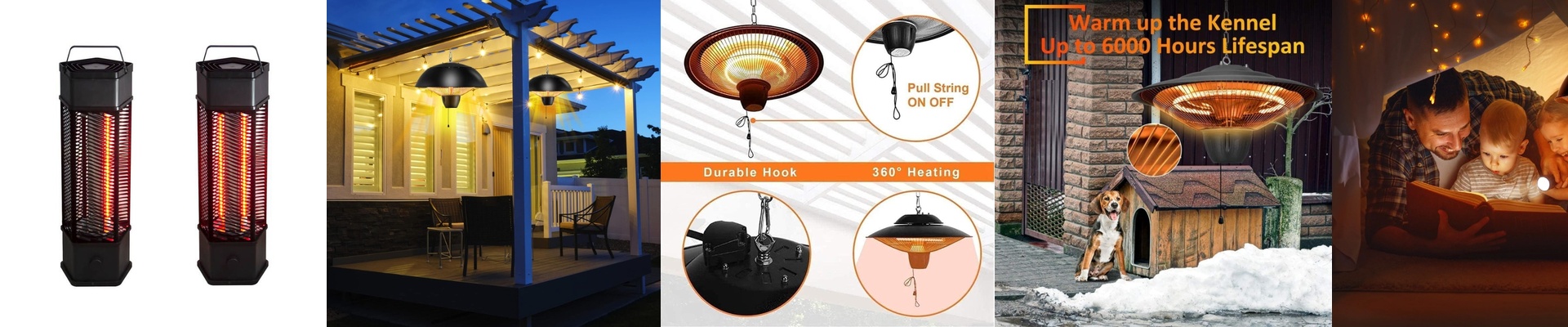
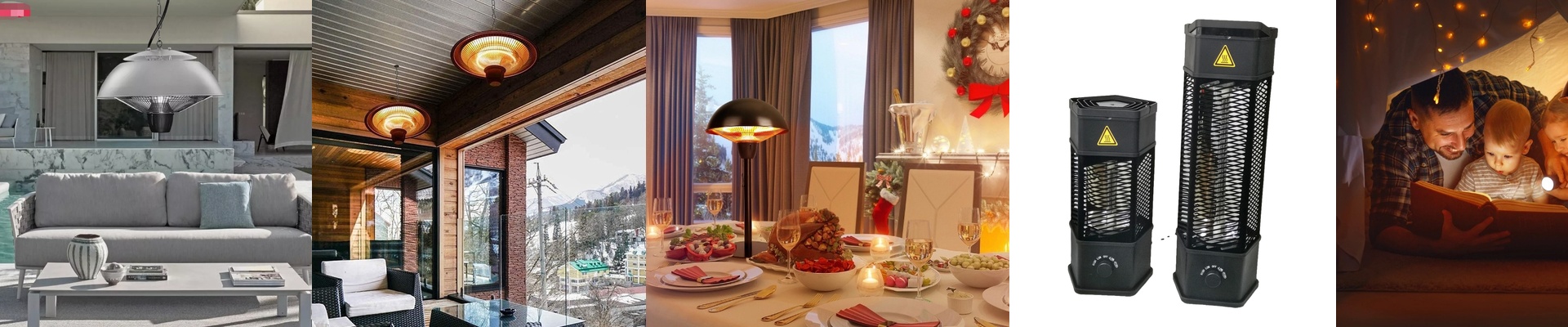
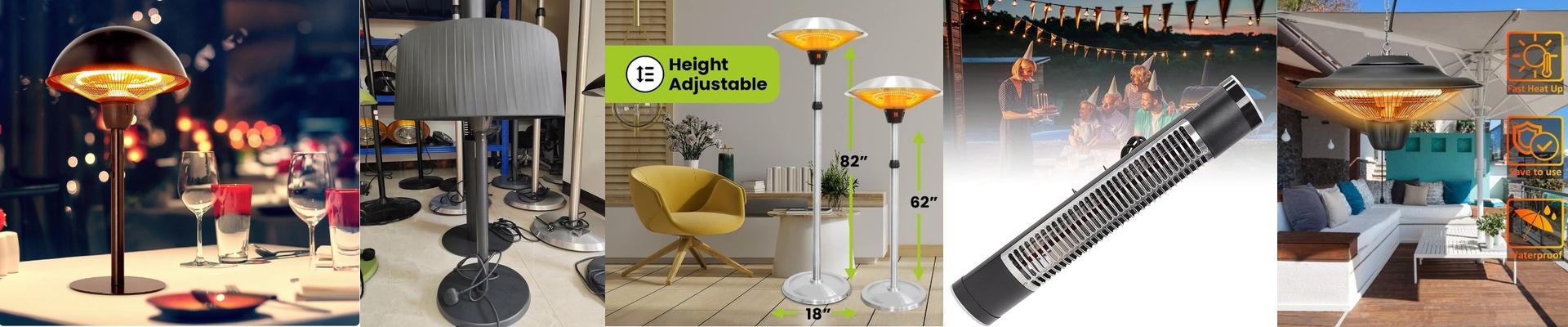
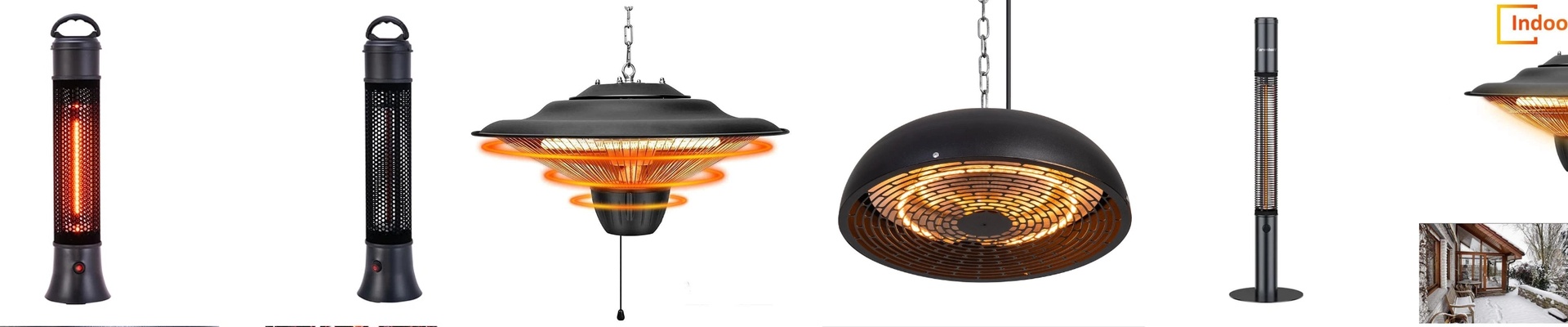
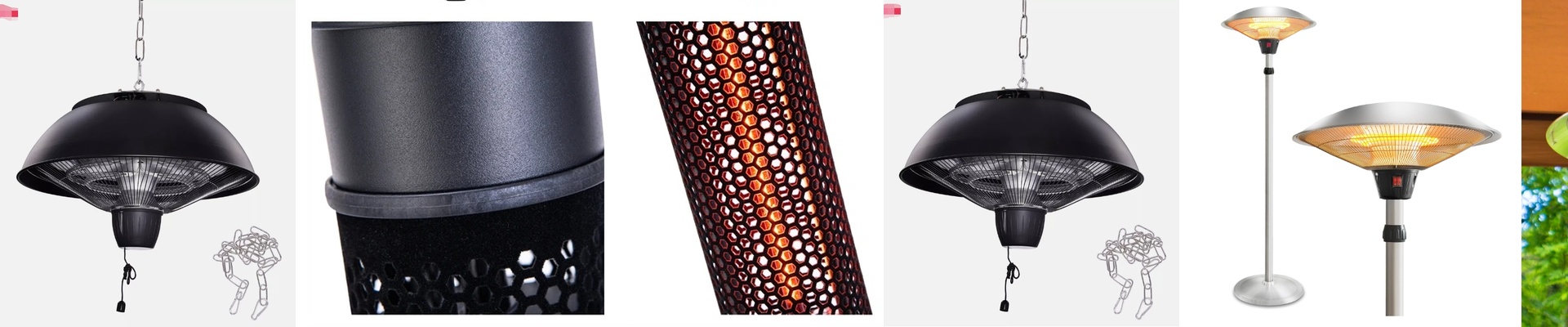
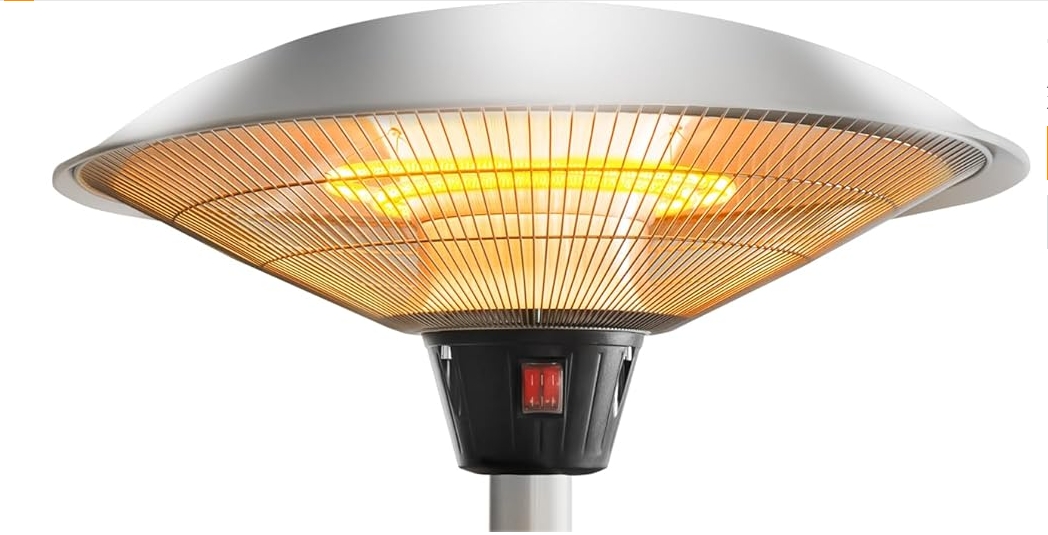
Cold air inside a winter tent doesn’t just make you uncomfortable—it steals the whole evening. Hands go numb, breath fogs everything, and you end up calling it a night way too early. We built this tent heater to push back against that drain, using infrared warmth that feels natural, not harsh.
What actually matters under the hood
We run on a carbon fiber element, delivering radiant heat with high spectral purity. The point is simple: it warms people and objects directly, instead of trying to heat the air. In practice, you feel the warmth within seconds, and the heat profile stays steady—no wild swings when air currents shift. No fan means it stays quiet. The exterior stays cool to the touch, so moving and repositioning it doesn’t feel like handling a hot appliance. It’s built for small-to-medium enclosed spaces, with a compact footprint and a straightforward plug-in setup.
Why this approach works in a winter tent
In a tent, the usual headache is uneven warmth and air that feels dry and irritating. Infrared heat keeps the air less disturbed, so you can breathe easier and stay cozy without that harsh “hot air” bite. The warmth lands where you need it—hands, face, core—so you can read, play cards, or rest without constantly peeling layers on and off. You also get practical wins: a faster warm-up, more consistent comfort, and energy use that stays sensible because the heater isn’t trying to fight the entire volume of outdoor air.
The things you really need to know
This is an electric heater, so it needs a grounded outlet and adequate circuit capacity. Clearance matters—keep it away from tent walls and fabrics, and never run it while you’re sleeping or if conditions are wet. For best results, aim the heater so warmth reflects toward seating areas, and if condensation ever shows up, pair it with a small dehumidifier. **The trade-off is straightforward:**it warms people directly, so it’s ideal for occupied zones. But it won’t heat an entire campsite the way a forced-air unit would.