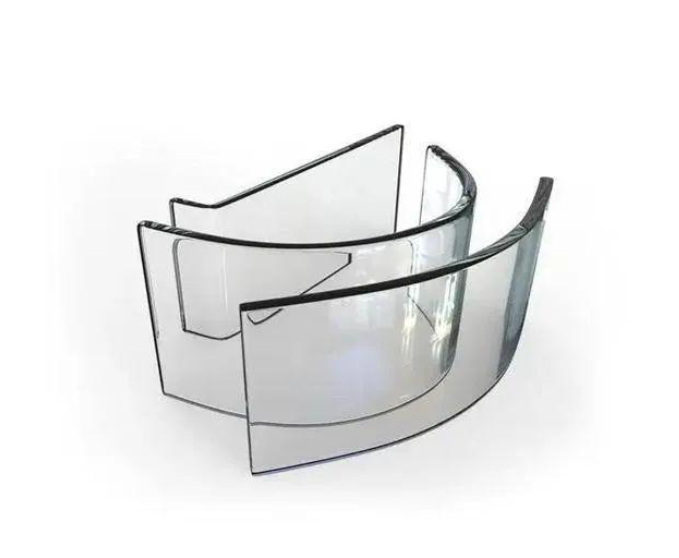
On the processing line, cooling control heaters aren’t just add-ons. They decide whether a tempered pane leaves flat or walks away with a bow, whether a laminated stack holds a clean edge or traps voids, and whether your energy draw quietly climbs or stays honest. When the thermal profile drifts, you feel it in scrap, rework, and those ugly emergency stops. What matters under the hood We build the glassware cooling control heater around medium-wave infrared quartz emitters. They respond fast and let us hold temperature tight during controlled cooling and hold phases. The heater puts heat where it’s needed to counter quench-induced thermal gradients without overshooting. Power density is matched to line speed, and the zone layout is arranged to keep the thermal field even, so the glass sees consistent conditions across the whole surface. It’s closed-loop control: calibrated sensors feed an industrial PID controller, so setpoints repeat. The payoff is predictable temperature behavior—exactly what you need when you’re managing thermal stress after tempering, bending, or coating drying. Why it plays in glass plants This setup hits the levers that actually move the needle. Energy use drops because the heater only comes on when it’s needed and holds setpoint cleanly—no wasteful overheating, no run-on. Yield improves because uniform cooling cuts edge stress, bow, and optical distortion—the usual reject drivers in tempered and coated glass. Maintenance stays lower, too, thanks to a modular layout that makes emitter swaps quick and reduces thermal shock on components. On the floor, that means fewer emergency stops, tighter cycle times, and less downtime spent chasing temperature drift. What you need to get right Installation comes down to matching the heater footprint and mounting to your existing cooling station, and making sure the control interface talks cleanly to your PLC or line controller. Commissioning is short, but you still need to tune the PID parameters for your specific glass thickness and line speed. One constraint you can’t ignore: ambient airflow and dust will shorten emitter life. Keep the air path clean and stick to the specified air filtration.