




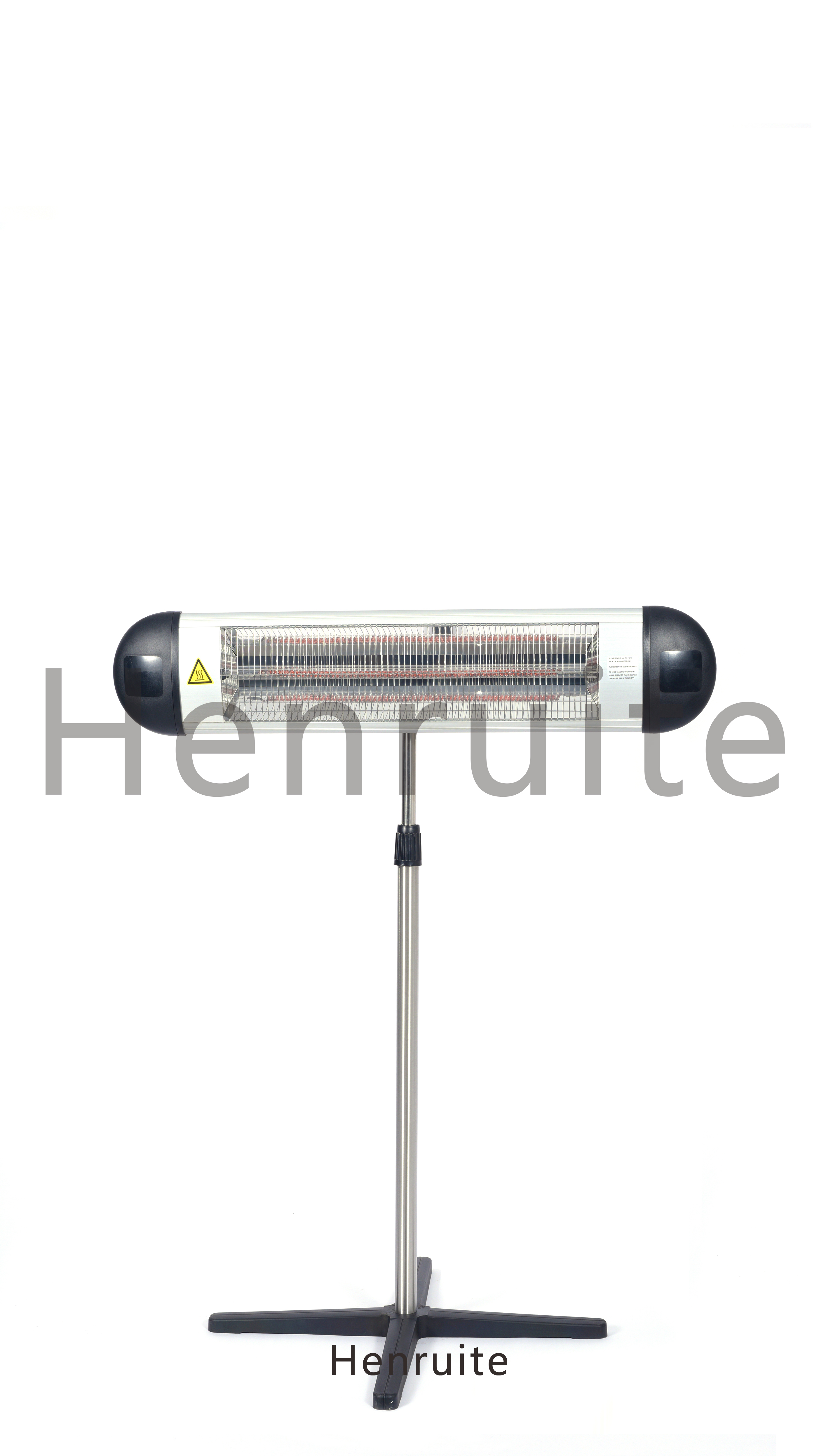
Keeping Your Bathroom Heater From Dying in the Steam
Let’s be honest: bathrooms are a nightmare for electronics. Between the thick steam, the random splashes of water, and the wild mood swings in temperature, it’s basically a torture chamber for a heating element. We’ve spent a lot of time figuring out how to stop our infrared heaters from frying their own circuits or getting clouded over.
Dealing with the Splash Zone
Water getting where it shouldn’t is the fastest way to kill a heater. It’s usually a short circuit that does the trick. To stop that, we seal the whole chassis. We use these heavy-duty silicone gaskets that can handle being heated up and cooled down a thousand times without cracking or shrinking. We pay extra attention to the spots where the wires hit the casing—that’s where most leaks happen. If a seal ever did give out, the unit just trips. Simple. It’s better to have the power cut than to have a dangerous situation on your hands.
The Battle Against Fog
You know that annoying fog that hits the mirror the second you turn on the shower? The same thing happens to the heater. When that warm, wet air hits a cooler surface, it clings. This isn’t just about it looking blurry. If moisture builds up on the infrared emitter, the heat doesn’t spread evenly, and the tube can burn out way too soon. Our fix? We use anti-fog coatings and a specific airflow design. It keeps the glass clear so the heat actually gets to you, rather than getting trapped behind a layer of droplets.
The Trade-off
Here’s the deal: you can’t have it all. If we left the heating element completely exposed, it would heat up instantly. But it would also corrode and die in about two years. By putting it in a waterproof housing, we add a tiny bit of a barrier. It might take a few extra seconds to reach full blast, but you get a product that actually lasts. We use quartz glass tubes because they can take a beating from thermal shock without shattering. Just a heads-up: since we’re talking about electricity and water, please make sure your unit is wired into a GFCI outlet. It’s just the smart way to do it.