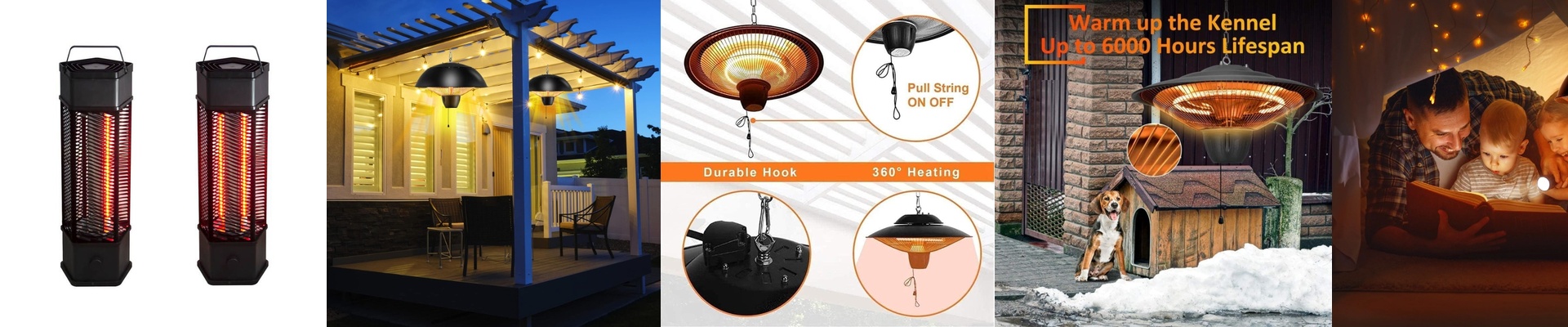
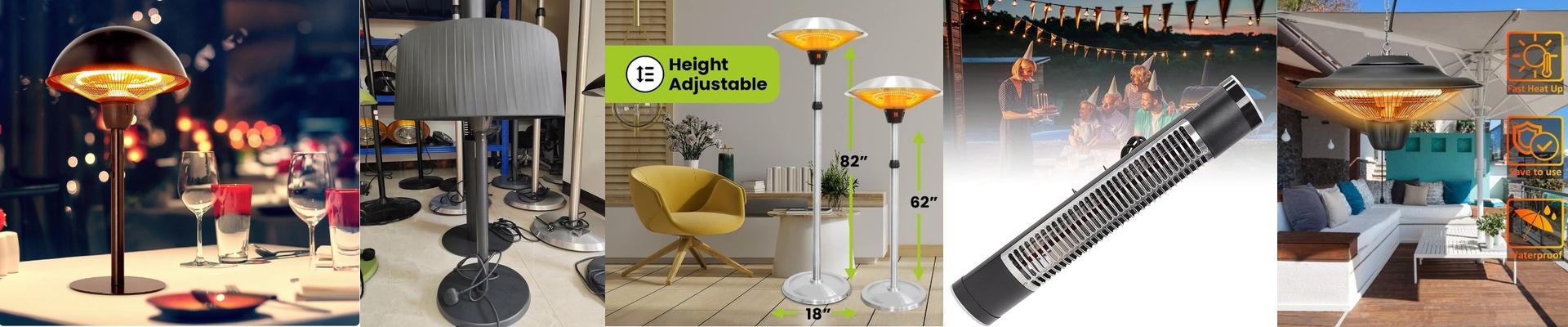
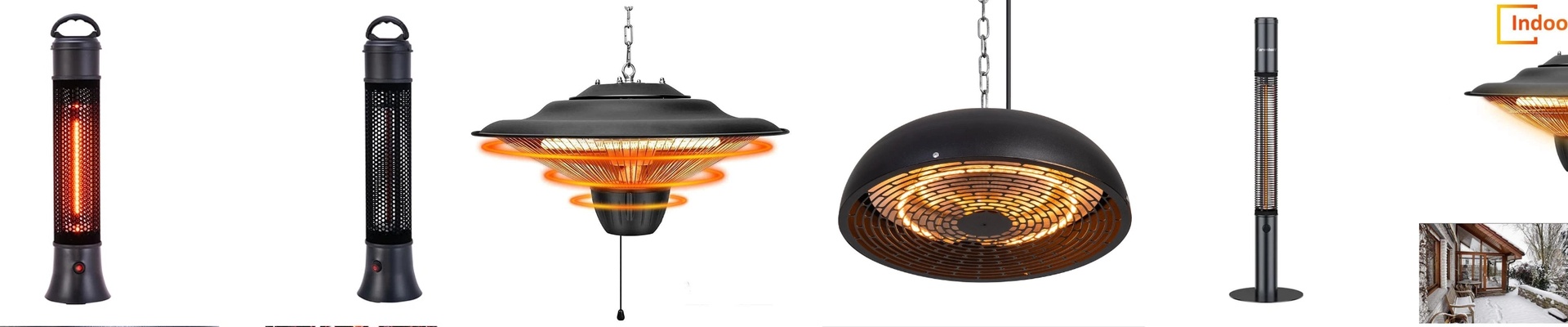
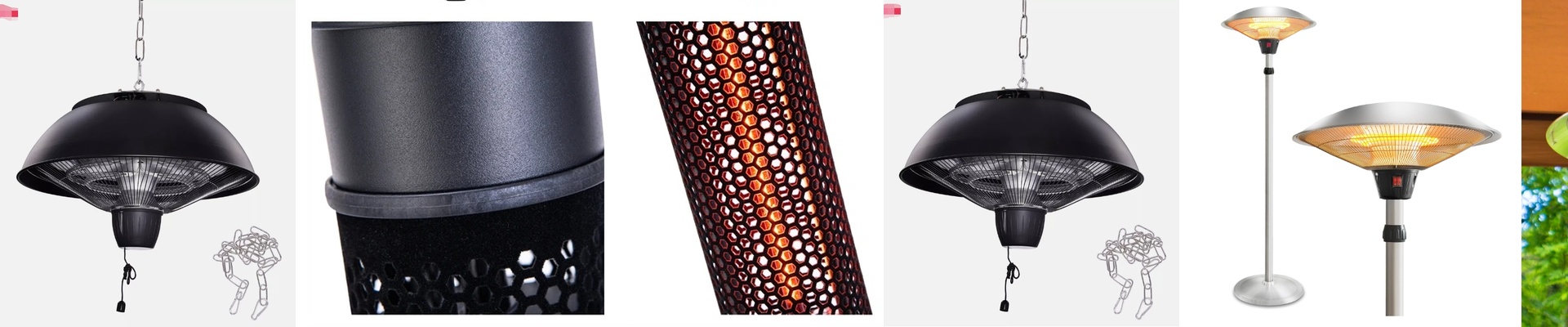
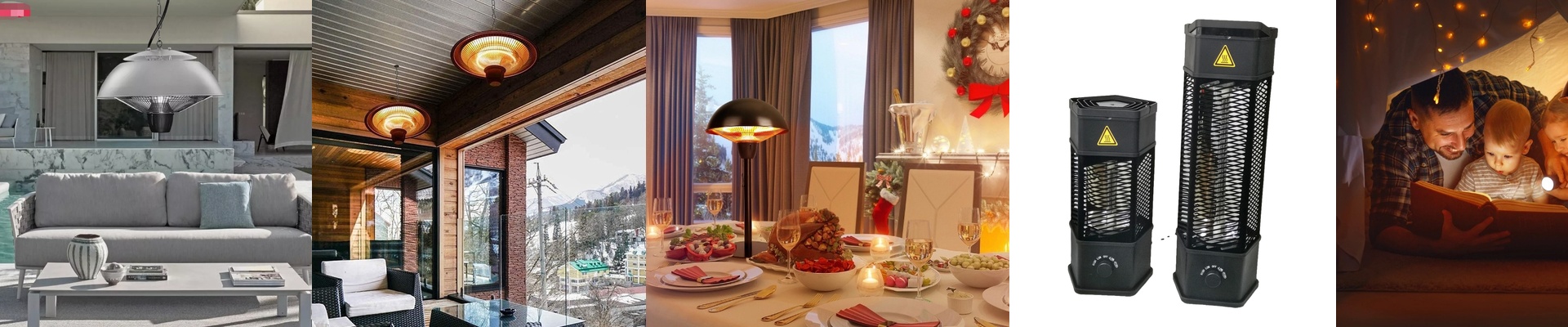
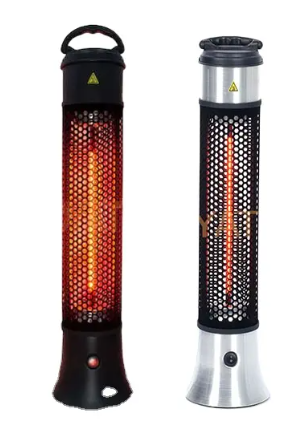
Ten years back, we spent our days tuning infrared heating for other brands—tightening tolerances, running quartz tubes through the wringer, and chasing steady radiant warmth. That same shop-floor discipline is what we still put into every unit we ship worldwide. The question never changed: how do you build a fast-heating space heater people will actually trust when the air turns cold? We solved it at the core—carbon fiber elements and short-wave infrared that deliver comfort without the wait. What actually matters under the hood Our infrared space heater pairs a carbon fiber heating element with a reflector that throws radiant heat where you need it—outward, not just up and away. You feel it fast: hands, face, feet. Meanwhile, the surrounding air stays less disrupted. In practice, that means quicker comfort cycles and output that holds steady even when the outdoor temperature dips. No fan means it stays quiet, and directing the heat instead of spraying it around is what keeps it efficient. Why this design holds up in real life We built this heater for the places people actually use it—backyard evenings, drafty workshops, and living rooms where the thermostat never tells the full story. With fast heating, you don’t sit around waiting for the room to “catch up.” Warmth hits within seconds, and you settle in without having to overheat the space. For homeowners, that’s on-demand warmth with less energy used, because the heater warms people directly. For outdoor living, it’s about extending the season comfortably—whether you’re hosting friends or just enjoying the quiet. A few things to get right Infrared warmth is directional, so placement matters. Point the heater toward the seating area, not straight up at the sky. Indoors, plug into a grounded outlet and keep clearances clear. Outdoors, choose a unit rated for damp locations and keep the power connection protected from moisture. And here’s the practical bit: radiant heat feels best at close range. If you’re heating a very large room, pairing it with gentle air circulation evens out comfort without fighting the infrared output.