Basements always seem to run colder than the rest of the house, and that chill usually comes with a side of damp. If you’re not using the space because it’s just too uncomfortable, you’re not just losing square footage—you’re losing a quiet room that could be a lounge, a workshop, or a play area. Forced-air heat down there can feel slow and bulky, and it doesn’t do much to cut through that clammy feel in the air.
What matters, technically
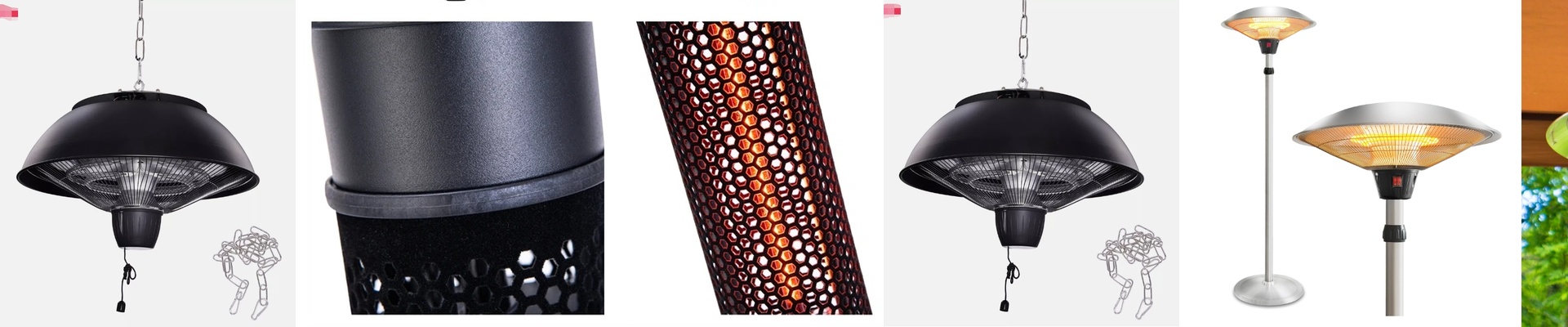
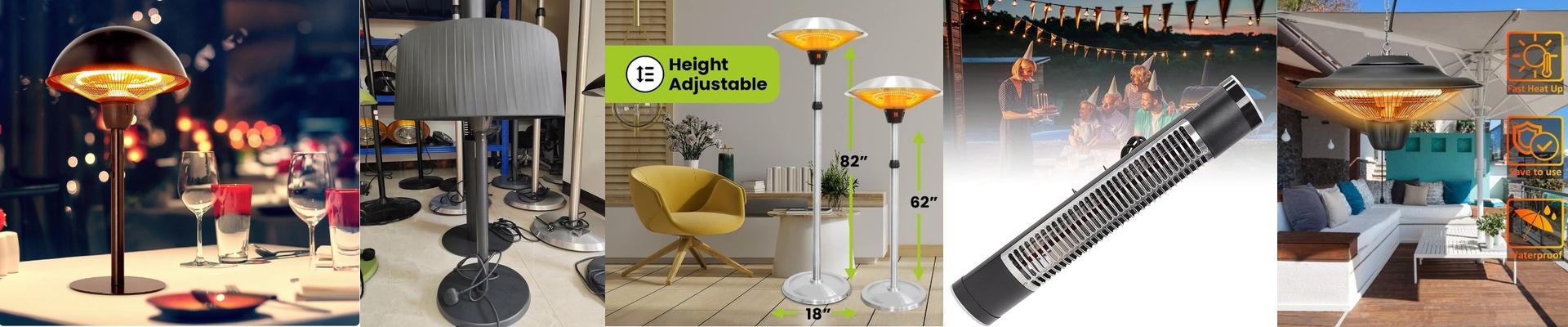
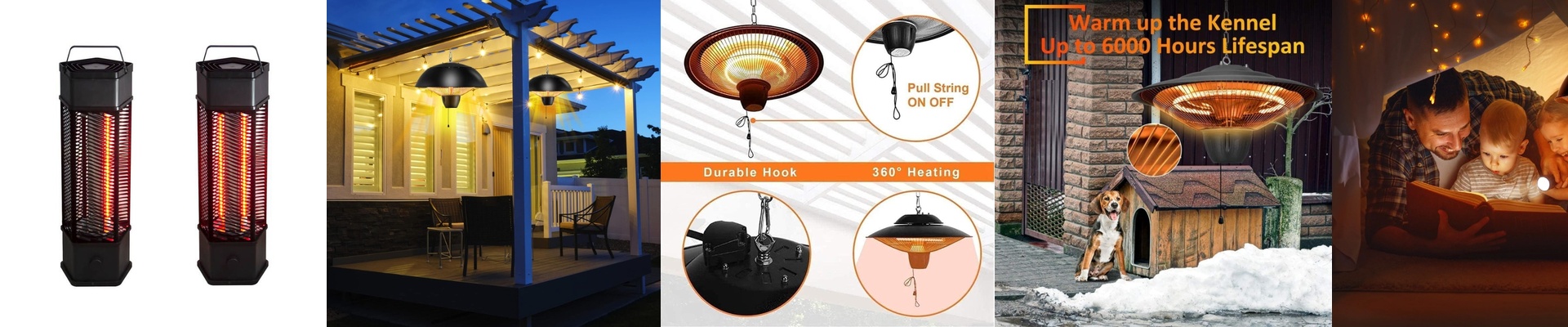
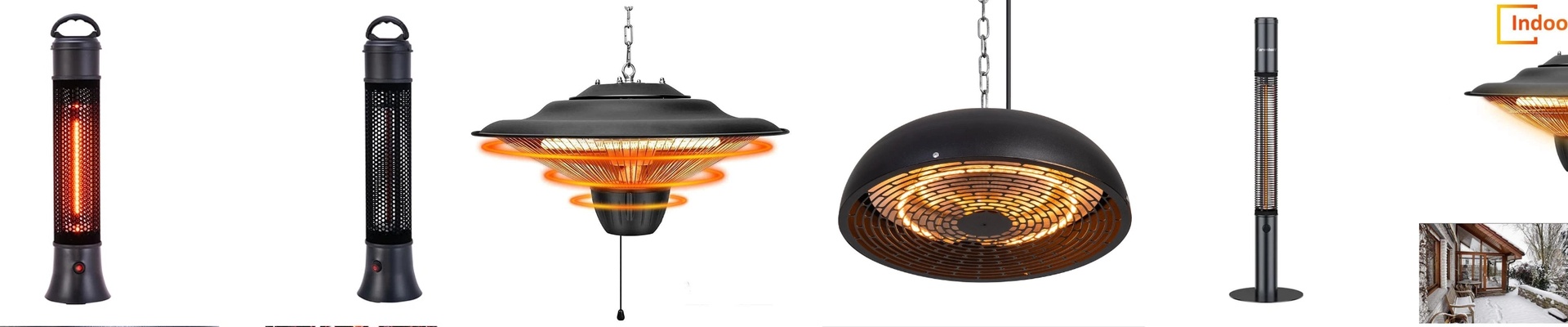
A solid infrared heater warms you the way the sun does—by radiating heat directly onto people and surfaces, not by trying to warm the air first. In real life, that means you feel the warmth almost the second you switch it on, with no long warm-up to wait through. We spec these with a durable carbon fiber or quartz emitter, paired with a reflector that focuses infrared warmth forward so the heat lands where you need it. A low-power wall-mounted model is built to run on a standard household circuit. The profile stays slim, so it doesn’t eat up space, and the surface stays cool to the touch. Built-in thermostat control helps you hold steady comfort, and safety features like tip-over protection give you one less thing to worry about.
Why it works in a basement
Radiant heat has two practical wins downstairs. It warms you directly, so the air can stay a little cooler while you still feel cozy. And by warming walls and floors, it helps reduce the surface temperature difference that pushes condensation to form. The space ends up feeling drier and more comfortable, without the drafty swings you get with forced-air. Because infrared warmth is directional, you can aim it where you actually spend time—over the seating area, onto the workbench, or across the play zone—and you won’t waste energy heating empty corners.
Things to know
For the best results, mount the heater on a stable wall so the beam of warmth sweeps across the main activity area, and keep combustibles at a safe distance. Basements vary a lot in humidity, so pairing the heater with good ventilation or a separate dehumidifier will keep conditions right. Infrared warmth works best when it can reach you directly, so if you’ve got very high ceilings or an obstructed layout, you may need more than one unit.