




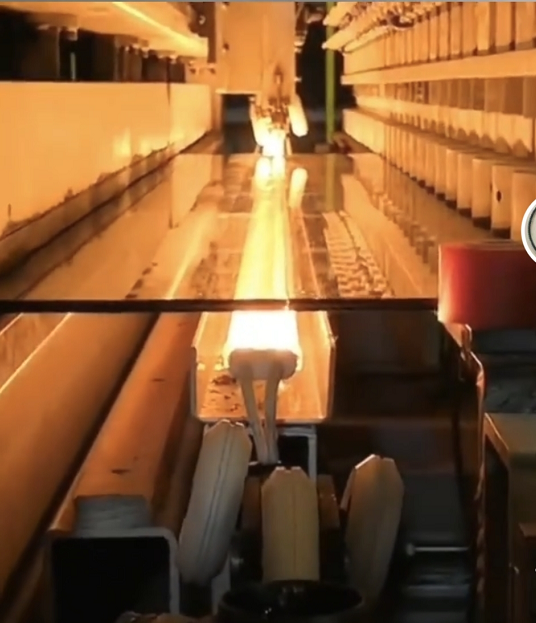
How to dry glass paint with IR
So, you’re working with glass decorative enamel and want that flawless, mirror-smooth finish? Here’s the thing: regular hot air just won’t cut it. It doesn’t have the muscle to get deep into the glaze and fuse it properly. You need something with real punch. That’s where a shortwave infrared halogen heating lamp comes in.
The Power Behind the Process
Our go-to lamp for this job is a 400V, 2500W shortwave infrared tube, and it’s typically about 300mm long. That 400V rating isn’t by accident. It’s a perfect match for industrial power supplies, which keeps the electrical load on the line manageable. And that 2500W of power packed into a 300mm space? It means the lamp heats up fast. Seriously fast. That’s how you hit the enamel’s melting point in a flash—before the glass itself has a chance to warp.
What’s Inside Matters
The whole heating element is tucked inside a high-purity quartz tube. This isn’t just any material. Quartz is brilliant at letting that shortwave IR energy pass right through, so it hits the enamel directly instead of just warming the air around it. Inside, the halogen cycle keeps the filament stable. No frustrating drop in output over time, like you get with other heating elements. And the lamp uses an R7s connector. It’s a no-nonsense, industrial-grade choice. It gives you a solid, two-point connection that’s easy to wire up and tough enough to handle the constant hum and vibration of a production line.
The Result: A Flawless Finish
When you put this setup to work, you get precise control over how the enamel melts. The energy goes straight into the layer, clearing out binders and fusing the pigment evenly. The payoff? No surface defects. No bubbles. Just that optically clear, deep-fused glaze you’re after. And the good news? This lamp is a straight swap for most existing IR fixtures. But here’s the one thing to keep in mind: this 2500W tube puts out a serious amount of heat. So, you’ve got to make sure your machine’s cooling system is up to the task. It has to be able to manage the temperature inside the chamber. That’s the only way to get the job done right.