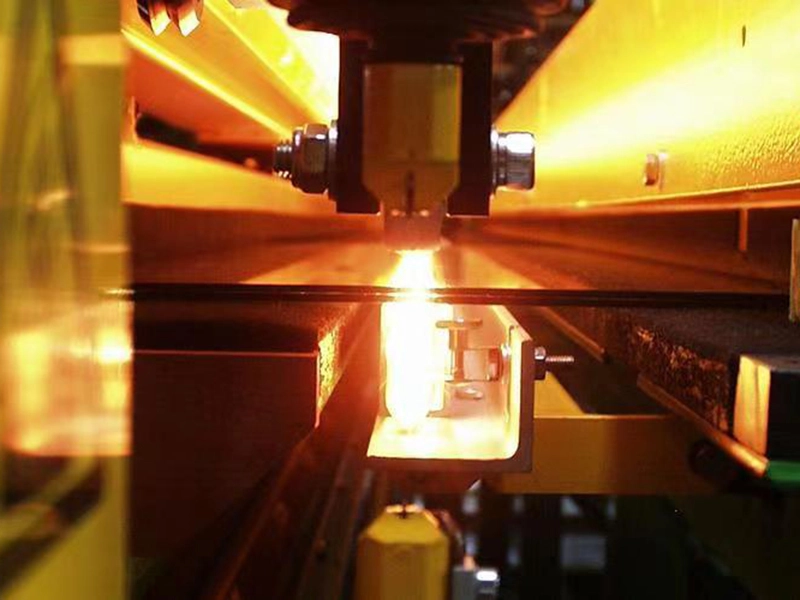
On the shop floor, glass doesn’t cut you any slack. A cold start, uneven heat, or a sluggish ramp-up puts the material into thermal stress, and before you know it, you’re scrapping a piece that took hours to prep. Preheat has to be fast, uniform, and repeatable — otherwise the whole line stutters. What matters under the hood We built this module around short-wave infrared quartz emitters, chosen for quick response and tight control. The heaters deliver high power density with low thermal inertia, so you hit setpoint fast and hold it without overshoot. That gives you a predictable thermal profile across the glass, keeping differential expansion in check and the micro-cracks that come with it at bay. Energy goes into the load, not into heating the surrounding air, so the process stays efficient even on industrial duty cycles. Why it fits the work In glass art preheating, time and temperature stability are the two levers that drive yield. This setup cuts the soak time before forming or slumping, shortening the cycle without giving up quality. You get consistent throughput, fewer rejects from thermal shock, and a stable heat pattern that keeps art production repeatable. The focused infrared energy also cuts wasted heat, so you lower kWh on high-power preheat runs and trim operating cost without slowing output. Field notes that save headaches Installation is straightforward, but the optics matter. Keep the emitter-to-work distance within the specified window, and make sure the target surface is clean — emissivity shifts and reflections can throw off temperature readings. Verify the electrical service and the cooling path; these heaters run hot, and airflow has to be maintained. Plan on a slightly longer warm-up after lamp replacement, and run routine checks on alignment and thermal uniformity.