

Getting Your Voltage Right in Rapid Glass Molding
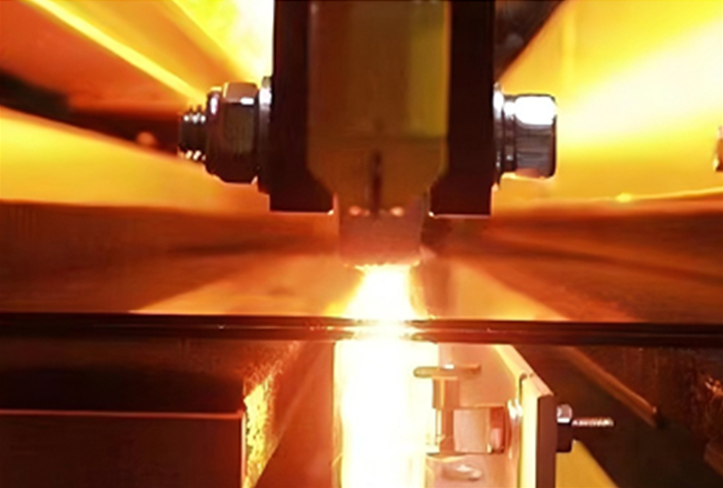
When you’re molding glass, you need a massive hit of heat—and you need it right now. You have to hit that softening point fast, but if you do it wrong, you’ll stress the material and ruin the piece. That’s why we use shortwave infrared lamps. But here’s the real headache: the power grid. Depending on where your plant is, you might be running on 110V, 480V, or 575V. It’s a mess.
Why “Just Use a Transformer” Doesn’t Work
Some people think you can just throw a transformer in the mix to bridge the gap. We don’t do that. Instead, we build the filament and the quartz envelope to match your specific line voltage. Think of it like this: a lamp built for 110V has a completely different resistance profile than one built for 575V. If you try to plug a 110V lamp into a 480V circuit, it won’t just fail. It’ll pop instantly. Plus, going with higher voltage (like 480V or 575V) lets you get the wattage you need while keeping the amperage low. This is a huge win for your wiring. You can use thinner gauge wires across your heating banks without worrying about voltage drops. That means your glass heats up evenly, which is the only way to get a quality finish.
Plugging It In
We made these lamps for drop-in replacement. No one wants to spend their weekend rewiring an entire oven. We use standard industrial connectors—whether you’re rocking R7s or Sk15 sockets—so the fit is snug. That’s important because a loose fit leads to arcing, and at these temperatures, arcing is a nightmare you don’t want.
The Trade-off: Heat vs. Hardware
Here is the catch. When you push high wattage through a tiny quartz tube to get that lightning-fast ramp-up, the lamp surface gets incredibly hot. You have to stay on top of your maintenance. Keep those reflectors spotless and make sure your cooling fans are actually doing their job. If heat starts pooling around the ends of the lamp, you’ll fry your sockets. Keep the air moving. It’s the simplest way to make sure your hardware actually lasts.