Getting Rid of Cold Spots in Your Glass Tunnel Kilns
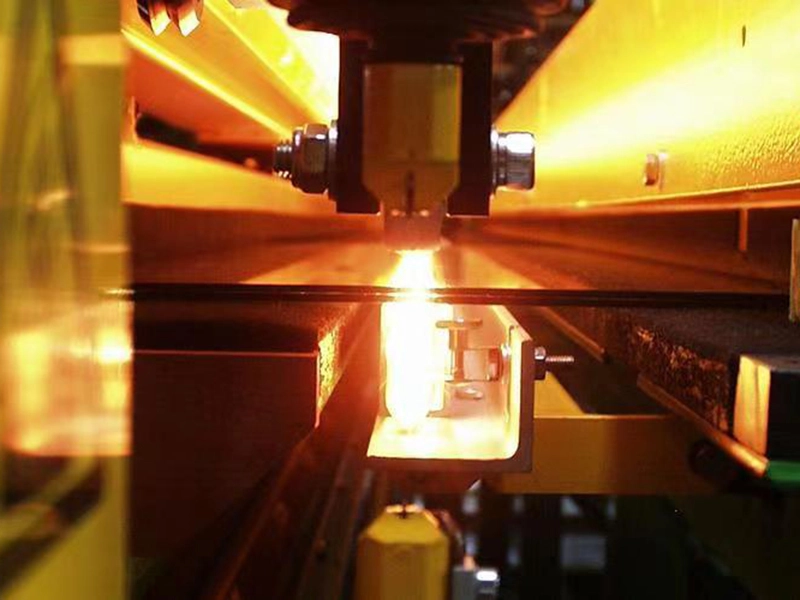
Most infrared lamps top out at about a meter. If you’re running a glass tunnel kiln, that’s a problem. Why? Because those gaps between the lamps create cold spots. You end up with uneven annealing and internal stress in the glass, which is the last thing you want. We figured out a better way. We build custom heating units that stretch past 2 meters, giving you a continuous line of heat.
The Trick to Long Tubes
You can’t just stretch a quartz tube and call it a day. If you do, the filament will sag or just burn out right in the middle. To stop that, we get picky with the voltage, wattage, wire gauge, and coil pitch. It’s a bit of a balancing act, but it ensures the heat is the same from one end to the other. **One heads-up, though:**these long units are power-hungry. Make sure your wiring and power supply can actually handle the load. You don’t want a voltage drop at the end of the line leaving you with a lukewarm lamp.
Building Them to Last
We use high-purity quartz because it can take the heat required for annealing without breaking a sweat. Since these are meant for continuous layouts, we use reinforced end-caps and heavy-duty connectors. It keeps the lamps from snapping while you’re installing them or when they start to shift during thermal expansion.
Making It Work in Your Kiln
The best part? Fewer lamps mean fewer electrical connections. And fewer joints mean fewer things that can break. Plus, because there are no gaps, you get rid of that annoying “stripe effect” on the glass surface. Everything just looks smoother. But here is the thing: quartz expands when it gets hot. If your mounting brackets are too tight, the tubes will bow and eventually crack.**Give them some breathing room.**Set your expansion gaps correctly, and these units will run steady for a long time.