
Stop Your Lab Glass From Shattering: The Secret is in the Annealing
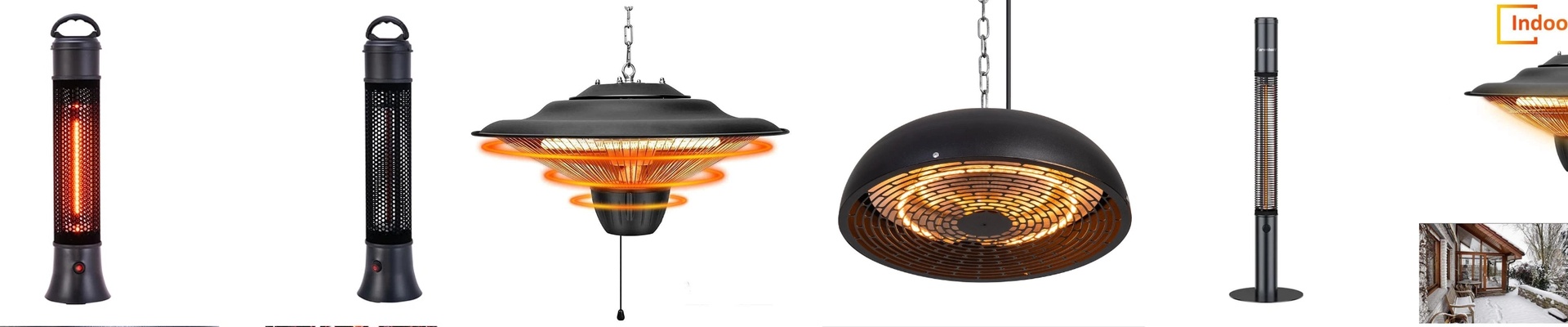
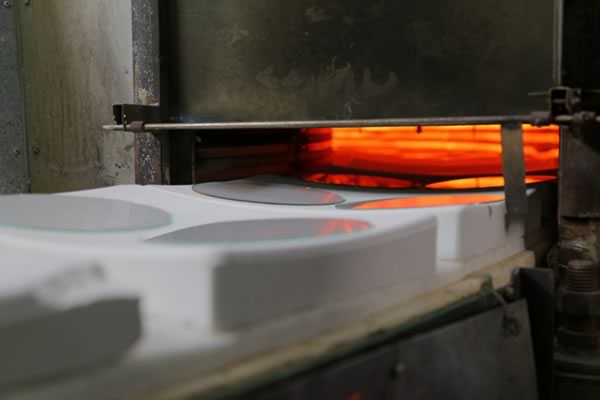
Nobody wants to be the person who accidentally shatters a piece of expensive lab glassware because of a hidden flaw in the glass. It’s frustrating, messy, and honestly, a bit scary. Usually, this happens because of internal tension. If glass cools down too unevenly, it traps stress inside. Then, one day—out of nowhere—it just gives up and explodes. To stop that from happening, we use infrared heaters that can hold a temperature within 0.1°C. Why that tiny fraction of a degree matters When you’re annealing, you’re working right at the glass transition temperature. It’s a delicate balance. If your heater swings by even a couple of degrees, you create a “thermal gradient”—basically, the outside of the glass is at a different temperature than the core. That’s why we use high-density infrared elements. They push heat deep into the glass walls uniformly. The real trick isn’t just getting the glass hot; it’s managing how it cools down. If the heater overshoots the mark, you’re just putting the stress right back into the material. It’s a tight loop between the controller and the element to make sure those fluctuations never happen. Speed and Response We went with short-wave infrared emitters for a reason. They’re fast. Unlike old-school resistive coils that take forever to warm up or cool down, short-wave radiation reacts almost instantly. The second the sensor picks up a 0.1°C drift, the element adjusts. No “thermal lag,” no waiting around. We also wrap these in high-grade quartz. Why? Because if the envelope gets cloudy or wears down over time, the heat doesn’t hit the glass the same way. Your precision disappears, and so does your peace of mind. The Catch Now, getting this kind of precision isn’t free. Pushing a system to maintain a 0.1°C tolerance puts a lot of pressure on your power supplies and PID controllers. You can’t just plug these into any old outlet. If you’ve got heavy machinery nearby creating electrical noise (EMI), your signal will jump all over the place. You’ll never hit that 0.1°C target. You need isolated circuits to keep everything quiet and the thermal profile steady.