Getting Heat Right in Long Glass Tunnel Kilns
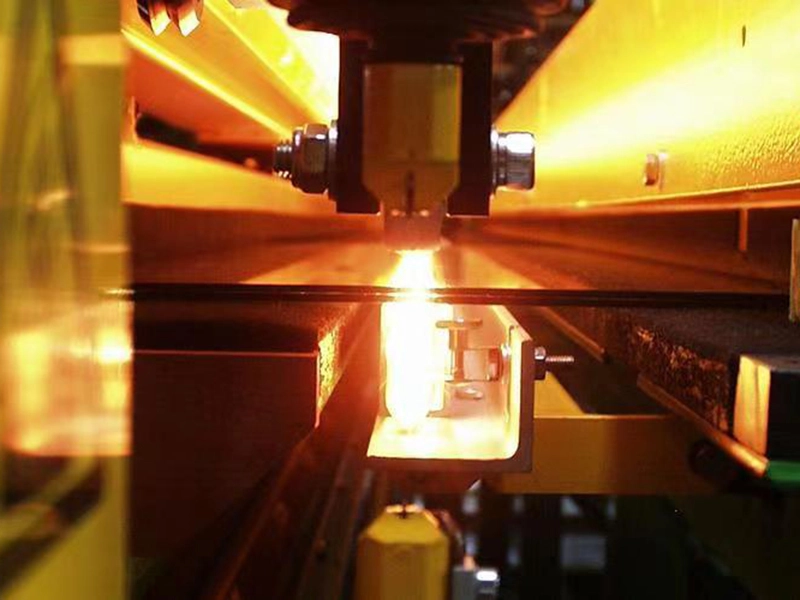
Heating glass in a tunnel kiln isn’t just about cranking up the power. It’s a balancing act. When you’re dealing with spans over 2 meters, the usual off-the-shelf lamps just don’t cut it. You end up with these annoying “cold spots” right where the lamps meet, and in the glass world, a cold spot is a recipe for disaster. That’s why we build continuous infrared heating units. The goal is simple: a steady, smooth flow of heat across the entire sheet of glass. No gaps. No surprises. The struggle with length and power Most standard IR lamps stop at about a meter. If you need to cover two meters or more, you can’t just chain a few together and hope for the best. We use custom quartz tubes with a very specific wattage-per-centimeter ratio. Here’s the thing: if you don’t account for the voltage drop across the whole array, you’ll end up with a nightmare. The first lamp burns out way too fast while the last one is barely lukewarm. You’ve got to make sure your power supply actually matches the custom length of the tubes, or you’re just asking for uneven heat zones. Finding that “sweet spot” for placement The distance between the lamp and the glass is where things usually go sideways. Get it too close? You get hot spots that crack your glass instantly. Too far? You’re wasting energy and losing efficiency. We design our units to lock in a fixed focal distance. By keeping the arrangement continuous, we get rid of those radiation gaps you see in segmented systems. It just feels more consistent. The real-world trade-offs Now, let’s be honest—longer lamps are fragile. A 2-meter quartz tube is a delicate piece of kit. It can take a beating during installation, and if your machinery vibrates too much, the tube can snap. To stop that from happening, we use rigid mounting brackets and power controllers that ramp up slowly. This prevents thermal shock from killing your lamps. And one more thing: these high-wattage arrays put out a massive amount of ambient heat. If your ventilation isn’t up to the task, your control electronics are going to cook. Stick with high-temp leads, use vibration-dampening supports, and you’ll have the linear heat density you need to actually get the job done.