Stop Scrubbing Your Shower: How Infrared Heat Actually Kills Mold
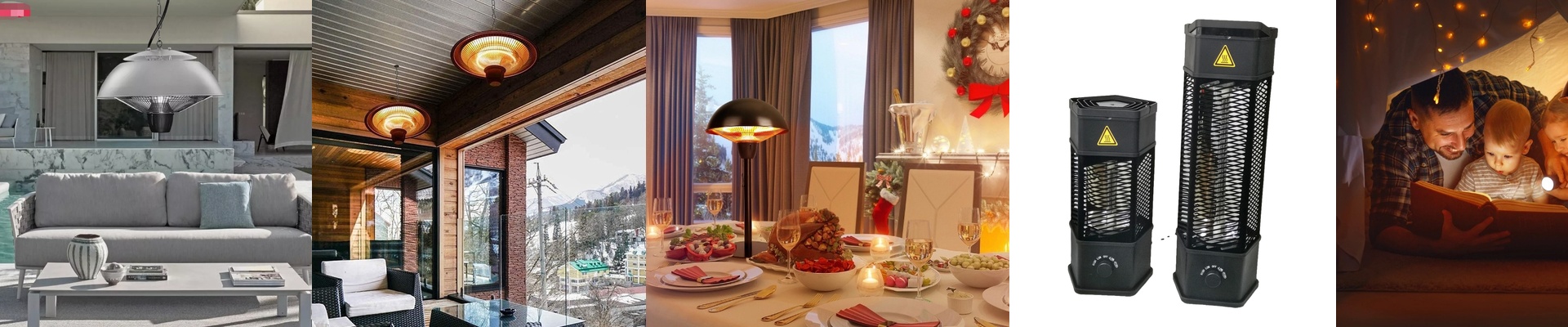
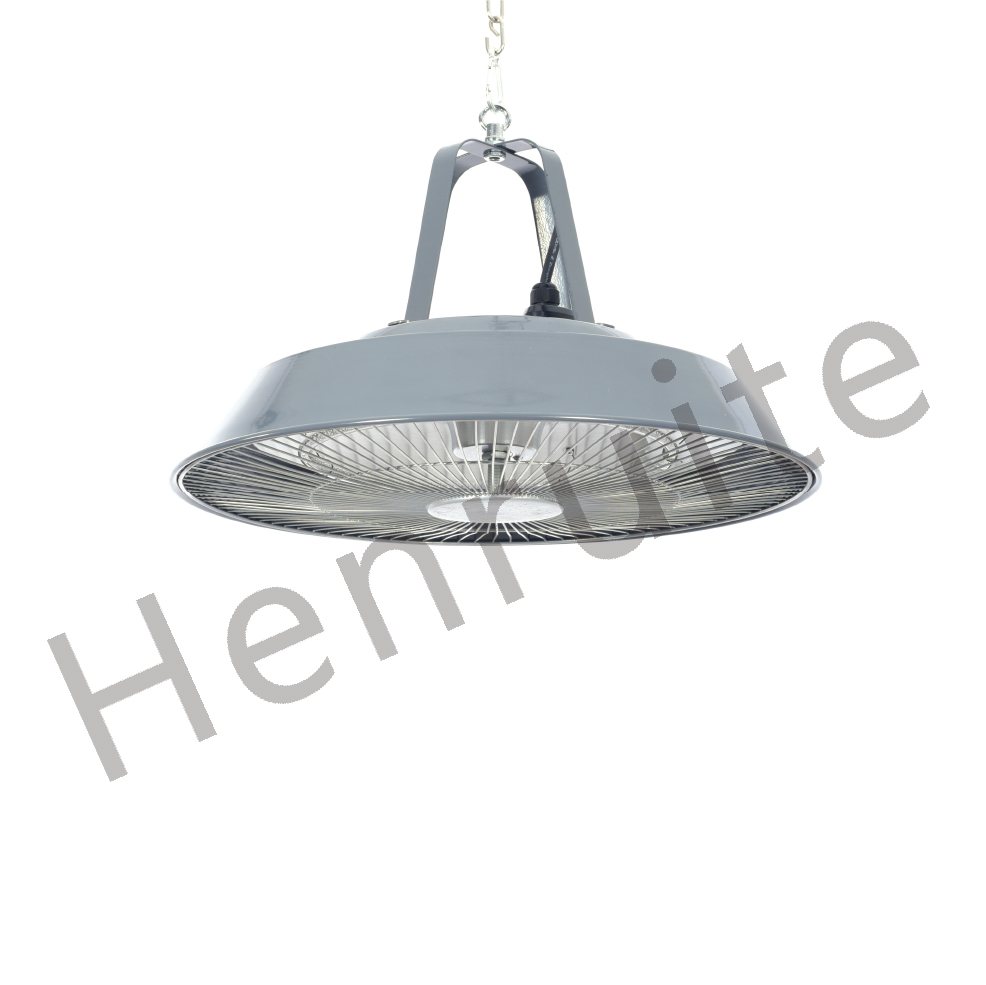
Most of us think of those bathroom heat lamps as just a way to keep from shivering when we step out of the shower. But there’s a bit more going on under the hood. From a technical side, these are short-wave infrared emitters. In plain English? They’re moisture-fighting machines. Here is the thing about standard heaters: they just warm up the air. The air moves around, but your walls stay damp. Infrared is different. It doesn’t care about the air; it goes straight for the surfaces. The heat penetrates the top layer of your tiles and walls, forcing those stubborn, stagnant water droplets to evaporate way faster than they would on their own. Since mold needs a damp place to move in and set up shop, taking away that water basically kicks the mold out before it even arrives. Plus, it handles the “dew point” problem. You know that cold, clammy feeling on the walls after a hot shower? That’s where mold loves to live. These lamps keep the surface temperature just high enough that the water can’t settle. It’s not like a fan that just pushes humid air around—it actually dries the source. Now, a quick heads-up if you’re installing these. High-wattage lamps get hot fast. Really fast. Because of that initial power surge, you’ll want to make sure your wiring can handle the load. If you put too much power into a tiny space, you might overheat the fixture. I always suggest using a timer. It saves energy and keeps the glass from getting stressed out. And please, for the love of your bathroom, check your seals. These units are built for steam, but if a seal leaks, moisture hits the electrical terminals and the lamp will burn out. It’s a bummer, but it’s avoidable. Also, keep the glass clean. If soap scum or dust builds up on the lens, it blocks the heat and you lose that efficiency. A quick wipe-down every now and then keeps everything working perfectly.