Stop Letting Your Patio Go to Waste in the Winter
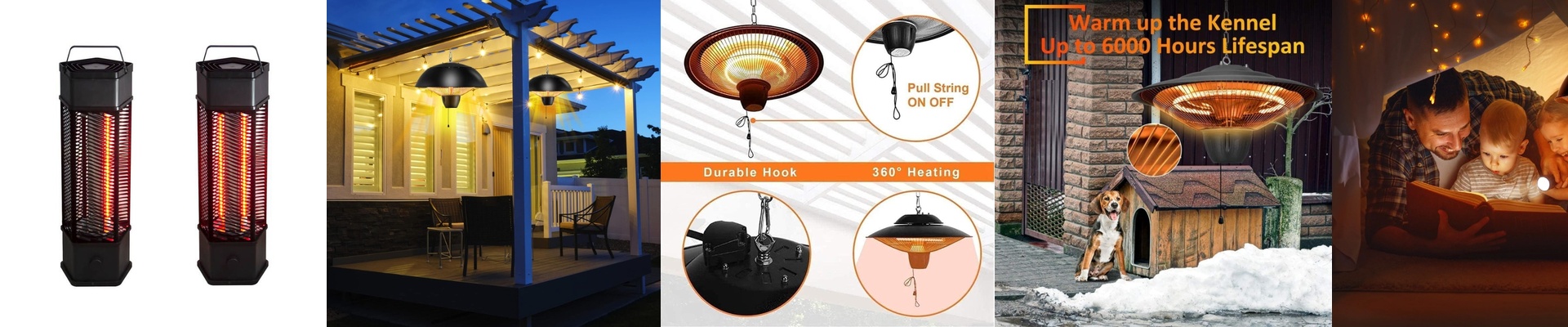
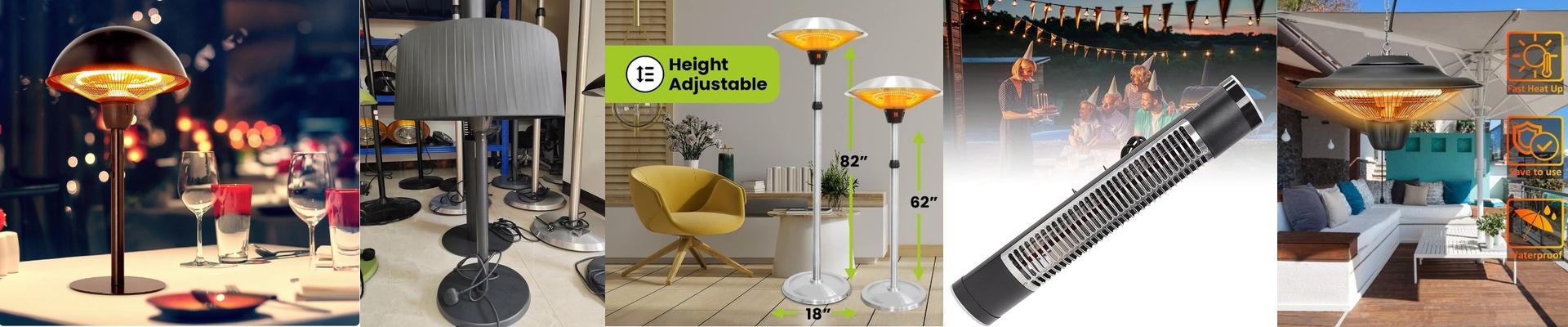
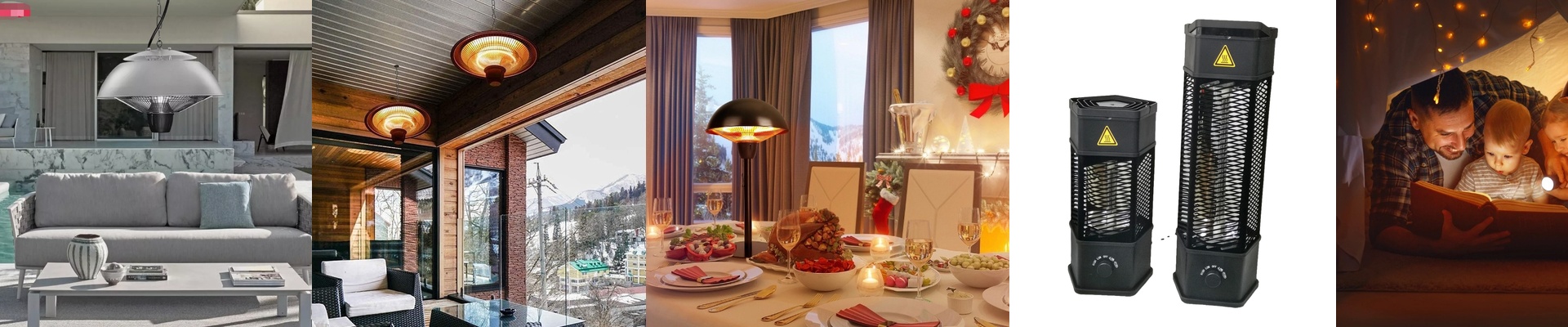
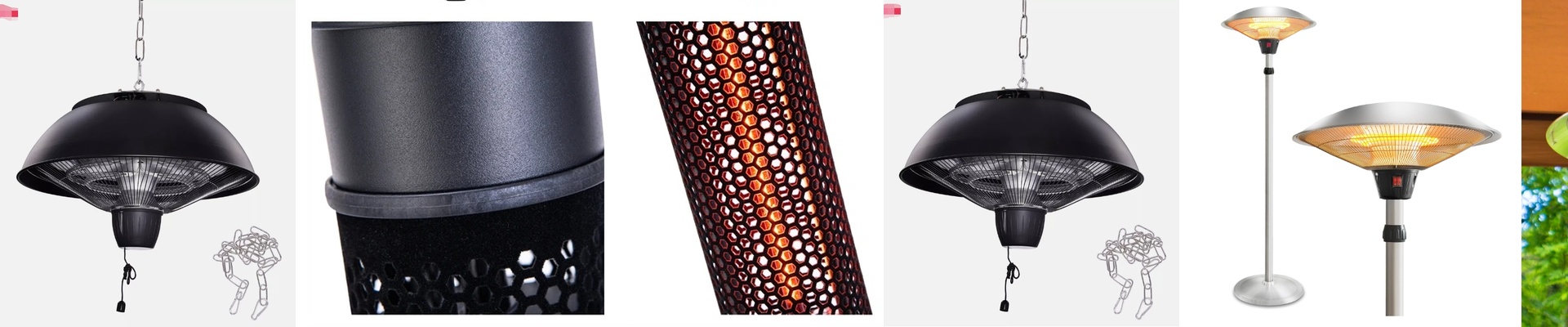
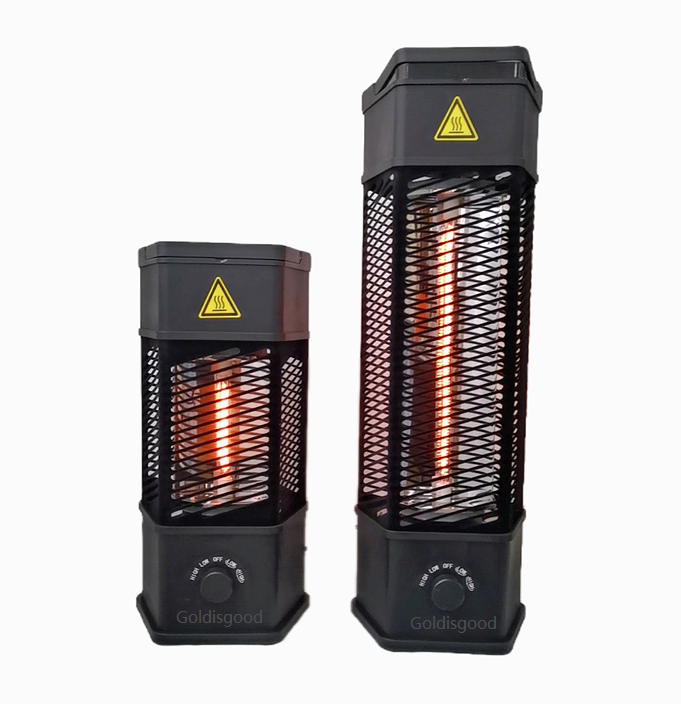
It’s a frustrating sight: a beautiful outdoor dining area just sitting there, empty, because it’s too cold for anyone to actually enjoy it. Most people try to fight this with those big forced-air blowers, but those just try to heat the wind. It’s a losing battle. That’s why we use IP65 infrared heaters. Instead of fighting the breeze, they beam heat directly onto your guests and their food. It feels more like standing in the sun.
Why the “IP65” Part Actually Matters
You’ll see “IP65” on the spec sheet, but in plain English, it just means the thing is built like a tank. It’s dust-tight and can handle water jets from any direction. Think about what happens on a patio. You’ve got rain, sleet, and that damp, heavy humidity that seems to get into everything. If you put a cheap, non-rated heater out there, the moisture will eat the wiring and pop the lamp in a single season. We seal the electronics tight so you aren’t replacing your gear every year.
Keeping People in Their Seats
We set these up for high heat density. We use shortwave infrared because it’s instant. The second a customer sits down, they feel it. No more “cold shock” where guests shiver through their appetizers and then beg to move inside. When people are warm, they relax. They stay for that extra round of drinks or a dessert they weren’t planning on ordering. And since you can zone the patio, you don’t have to blast the whole place. As tables clear out, you just click off the units you aren’t using. Easy on the electric bill.
The “Gotchas” of Installation
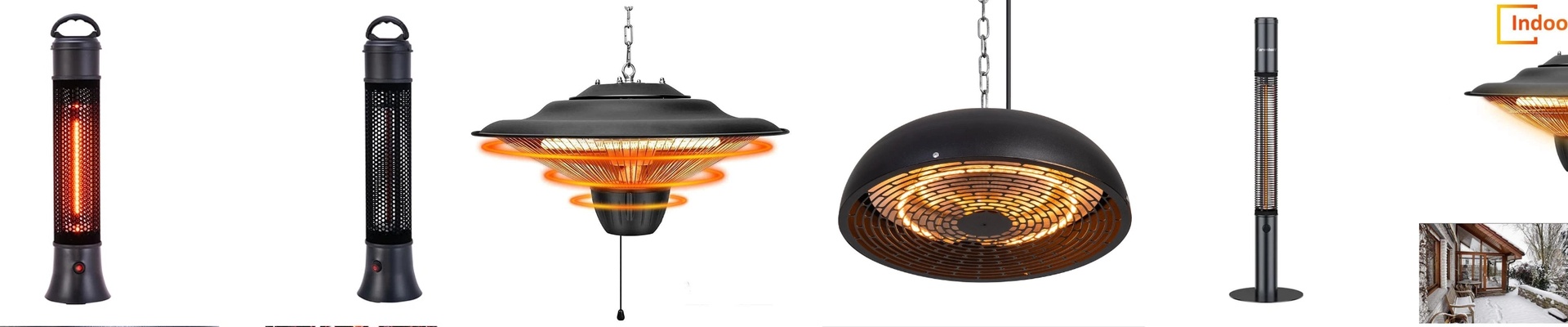
Now, here is the part where people usually mess up: the power. These units pull a lot of juice. You can’t just throw an extension cord across the deck and hope for the best. You’ll trip your breakers right in the middle of the Friday night rush, and that’s a nightmare nobody wants. You need dedicated circuits that can handle the load of a few 2kW or 3kW heaters running at once. Also, watch your height. Mount them too low, and you’ll cook your guests’ heads. Mount them too high, and the heat disappears before it hits the table. There’s a sweet spot, and getting it right is what makes the difference between a “nice try” and a patio that actually makes you money.