

Dealing with Thermal Dead Zones in Glassware Annealing
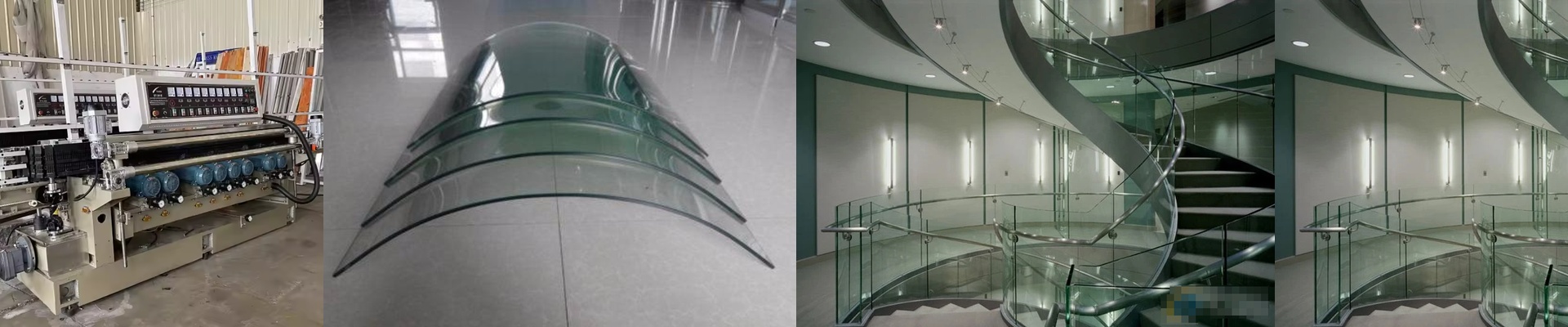
If you’ve ever run an annealing kiln for complex glass, you know the nightmare of “dead zones.” It happens all the time. You’re using standard convection heating, but the heat just can’t seem to find its way into those tight curves or deep pockets of the vessel. The result? Uneven stress. And we all know where that leads—shattered glass and a lot of wasted time. To fix this, we stop relying on the air to do the heavy lifting. Instead, we bring in short-wave infrared (IR) heating lamps. They hit the material directly, so it doesn’t matter if there’s an air gap in the way.
Getting Heat Everywhere
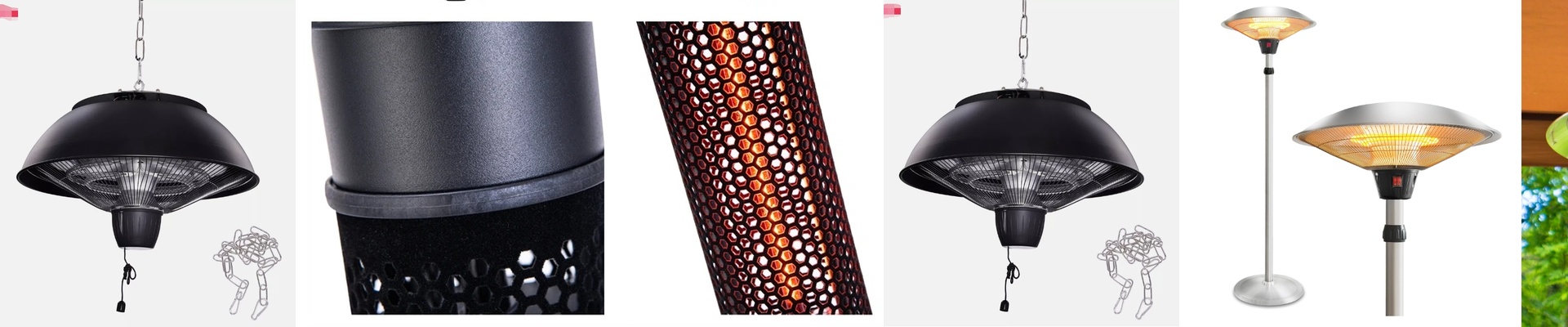
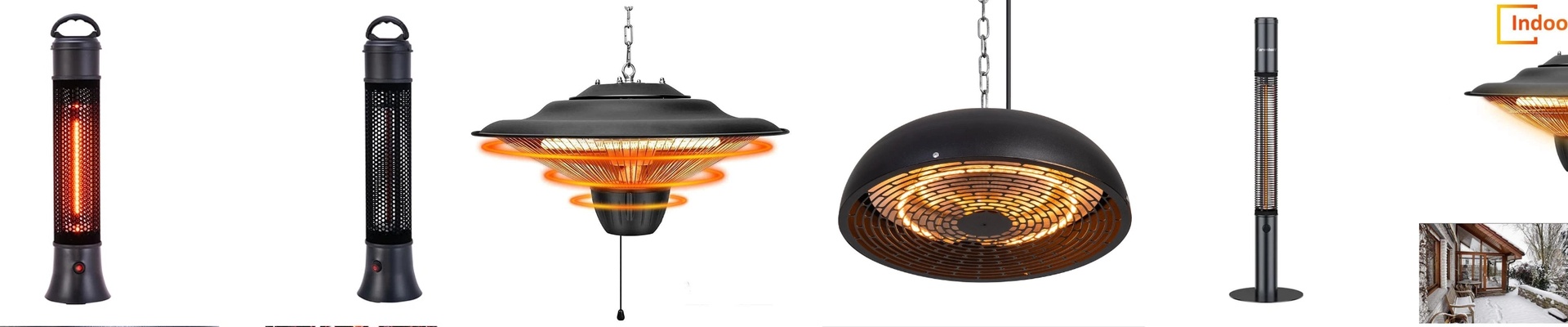
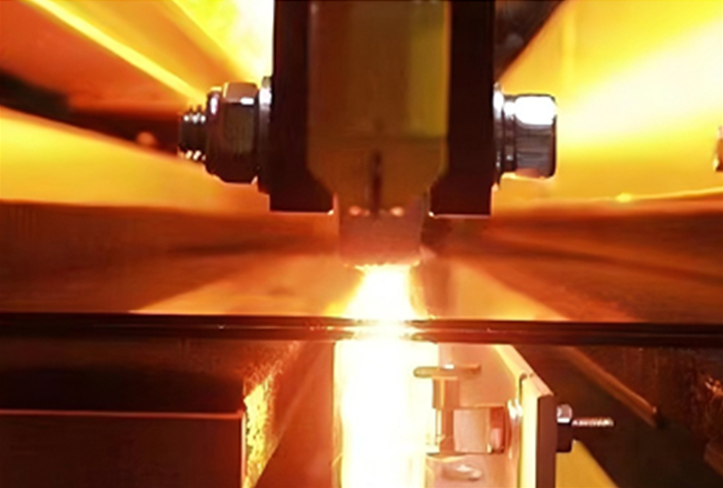
We use quartz-halogen IR emitters to reach those stubborn spots. Here’s the thing: IR radiation doesn’t care about air movement. It travels in a straight line and sinks right into the glass surface. By setting these lamps up in a multi-angle array, you basically “flood” the inside of a complex container with heat. We go with high power density tubes because they get the glass to its annealing point fast. It cuts down your total cycle time, which is a huge win for your workflow.
The Gear and How to Set It Up
Most of our builds use high-wattage quartz tubes with R7s or SK15 connectors. We like these because if a bulb goes, you can just pop a new one in without a headache. Using halogen-filled tubes is the secret sauce here—it lets us push the filament temperature higher without the whole thing burning out. One quick tip: watch your voltage drop if you’re running long wires. If you’re building a big array, make sure your power supply can actually handle the total current draw. Otherwise, you’ll deal with flickering or weird, uneven heat.
The Trade-offs
Now, IR heating is fast. Really fast. But it can be a bit aggressive. Since the heat is so concentrated, you can accidentally create “hot spots” if the lamp is sitting too close to the glass. You’ll need to spend some time calibrating the distance and using PID controllers to dial in the power. Also, keep an eye on your cooling. If your system can’t move the heat away from the housing, the ambient temperature inside the kiln will climb. Over time, that’s just asking for your wiring and connectors to fry.