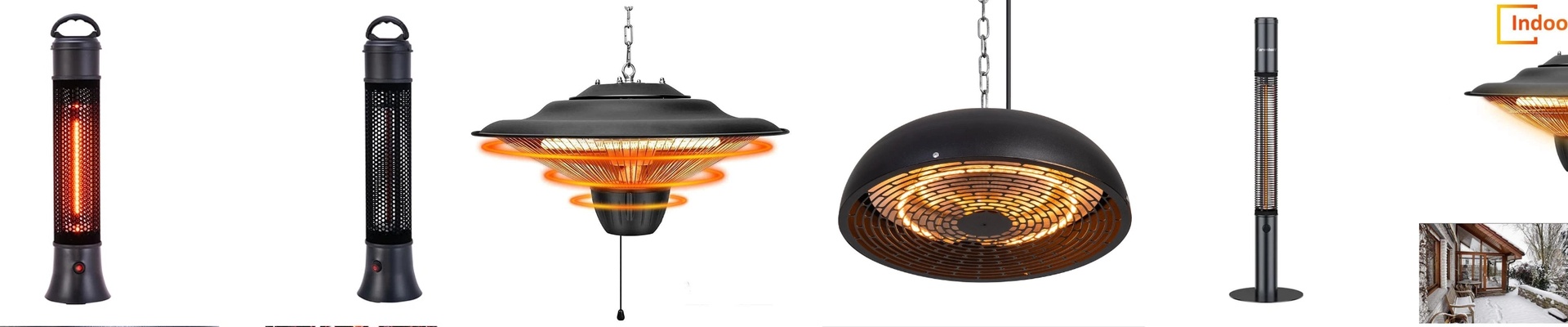

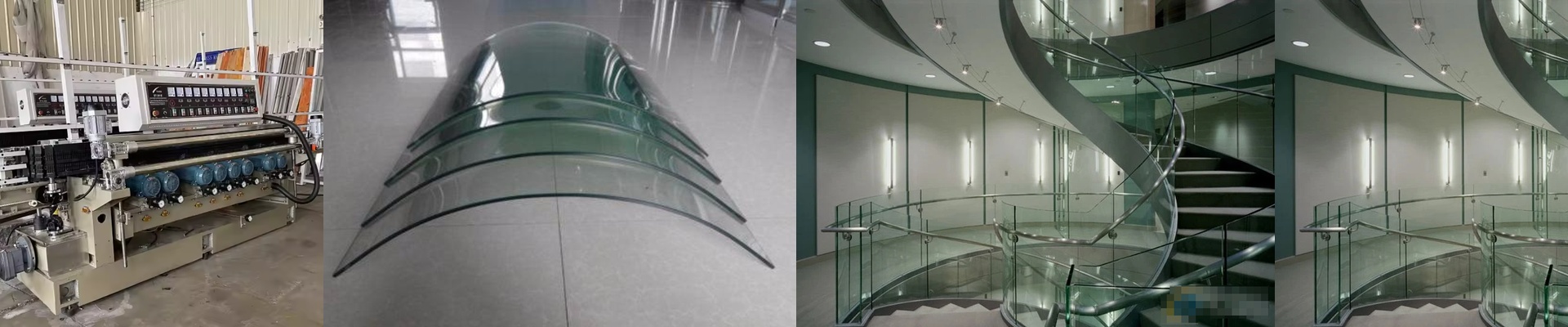

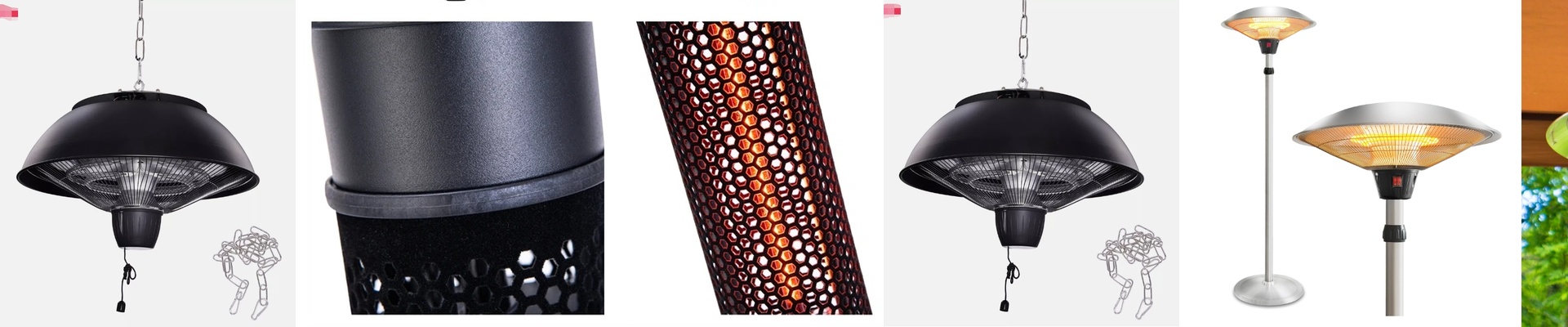
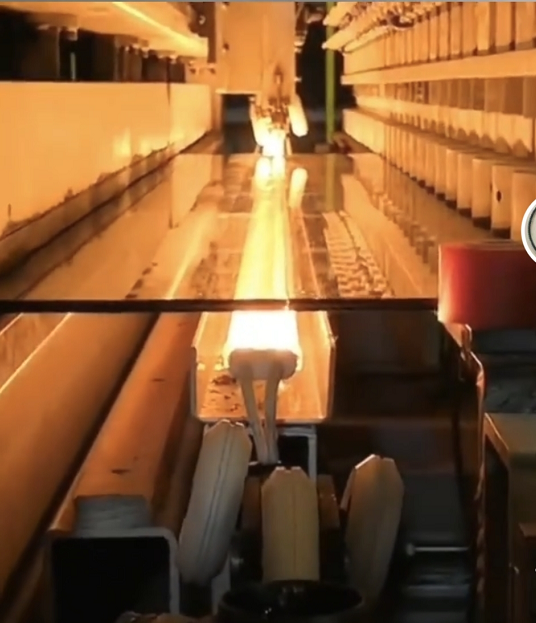
Cutting through ultra-thick glass is a nightmare for carbide wheels. If you’ve ever tried to score a cold, heavy plate, you know the feeling—the glass just fights back. It resists the blade, the wheel chips almost immediately, and you spend half your shift swapping out tools. It’s frustrating and slow. We found a better way. We use high-penetration infrared (IR) heating lamps to prep the path before the blade even touches the surface. Here’s the trick: we use shortwave IR emitters. Unlike longwave heat, these actually sink deep into the glass. The lamp hits the score line and warms it up just enough to take the edge off that surface hardness. You aren’t melting the glass—that would be a disaster. You’re just making the material a bit more “giving.” Because of that, the cutting wheel glides through the path instead of grinding against it. And that changes everything for your tool life. When you kill the friction, you stop the blades from burning out. You don’t have to lean on the tool with nearly as much pressure, which means your wheels last way longer. Less time fiddling with tool changes on the shop floor, more time actually getting work done. But you have to be careful. These lamps pack a punch. If they’re too close or running too hot for too long, you’ll end up with uncontrolled fractures—or worse, the whole plate shatters before you’re even finished. It takes a bit of tuning. You have to balance the lamp distance and the feed speed based on how thick your glass is. Plus, you’ll want a solid cooling system for the lamp housing. If you don’t keep that ambient heat in check, your electrical connectors will start to degrade, and then you’ve got a different kind of problem on your hands.