

Why Fast-Response Infrared is the Only Way to Handle Inline Glass Annealing
If you’re running a glass production line, you know the nightmare of lag time. Waiting for a traditional convection oven to catch up is a recipe for disaster. You get internal stress fractures, the flow stops, and suddenly you’re staring at a pile of scrap. To keep things moving, you need heat that hits the mark now. That’s where fast-response infrared (IR) lamps come in. They get the job done without taking up half your factory floor.
How it actually works
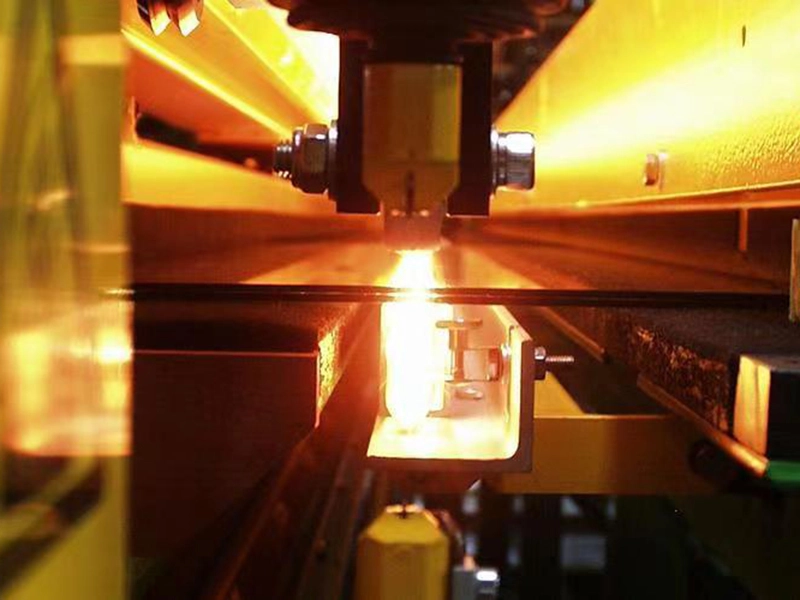
Think about a standard heater. It heats the air, and then the air heats the glass. It’s a middleman you just don’t need. Shortwave IR emitters cut out the middleman. They beam energy straight into the glass. These lamps hit full temperature in milliseconds. Because they’re so fast, you can tweak the heat in real-time. As the glass slides down the line, you can adjust the thermal profile on the fly. You hit that perfect annealing point every time, without the risk of overheating and ruining the batch.
Built for the grind
In a busy shop, downtime is the enemy. If a lamp goes out, you can’t afford to spend three hours rewiring a rack. We kept it simple. By using quartz envelopes and standard connectors, you can just pull a dead tube and pop in a new one. It’s a quick swap and you’re back in business. Plus, these lamps pack a massive punch. Because the power density is so high, your annealing tunnel can be way shorter. You get the same deep soak in a fraction of the space.
The stuff you need to watch out for
Now, it’s not all magic. There are a few things you’ve got to get right. First, these high-wattage lamps pull a lot of juice. If you’re running a bank of 2kW+ tubes, make sure your wiring can actually handle the peak current. If you skimp here, you’ll deal with voltage drops that mess with your consistency. Then there’s the heat. Shortwave IR is intense. If your shielding isn’t tight, that radiation will find a way out. I’ve seen it warp plastic parts or fry conveyor bearings in a heartbeat. And don’t forget the airflow. Make sure your cooling fans are beefy enough to handle the heat building up around the lamp housing, or you’re just asking for trouble.