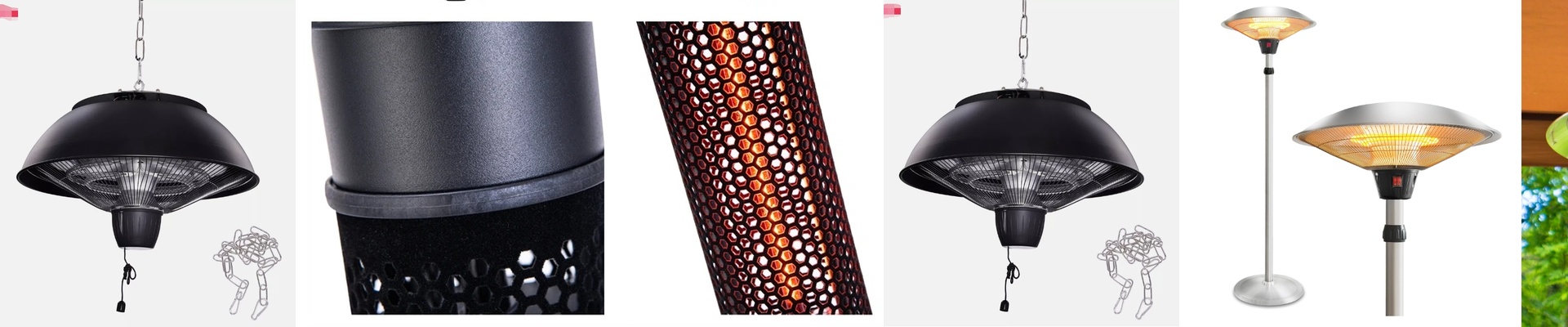
Stop Wrestling with IR Lamps and Start Using Modules
Let’s be honest: buying a few raw infrared lamps is the easy part. The real headache starts the moment they arrive at your shop. Suddenly, your engineers are stuck trying to mount fragile tubes, messing with reflector alignment, and wiring circuits on a crowded shop floor. It’s tedious, it’s stressful, and it’s a waste of time. That’s why we stopped just selling parts and started building curved heating modules. We do the hard work so you don’t have to.
The Secret is in the Curve
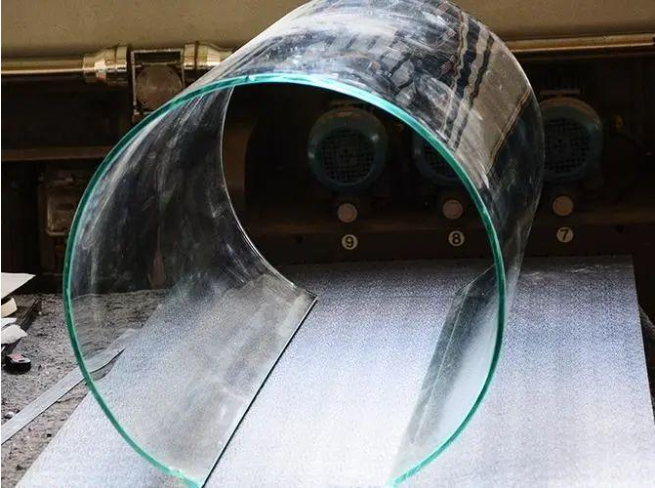
If you just stick a standalone IR lamp in a machine, it throws heat in every single direction. You end up wasting half your energy heating up the machine frame instead of the actual part you’re working on. We fix that by nesting the lamp inside a polished aluminum or gold-plated reflector. It turns that scattered heat into a concentrated beam. But here’s the tricky part: bending the metal isn’t enough. We spend a lot of time calculating the exact focal point of the arc. If the curve is off by even a few millimeters, you get “hot spots.” And hot spots mean burnt materials and ruined batches. We make sure the heat hits the surface evenly, every single time.
Plug, Play, and Breathe
Think of our modules as “drop-in” units. We handle the wiring, the connectors, and the housing. You just plug it in. No more worrying about a technician accidentally snapping a quartz tube during a field install—which, let’s face it, happens more often than people admit.
A Quick Warning on Heat
Since these modules pack a massive amount of energy into a small space, they gethot. Really hot. You can’t just bolt these into an old frame and hope for the best. Because the reflection is so concentrated, the housing takes a beating. You’ll need to check your cooling fans or water-jackets to make sure they can handle the extra load. If your airflow is weak, the housing will warp, and you’re right back to square one.