Stop Fighting Your Patio Heaters: The Case for Modular Design
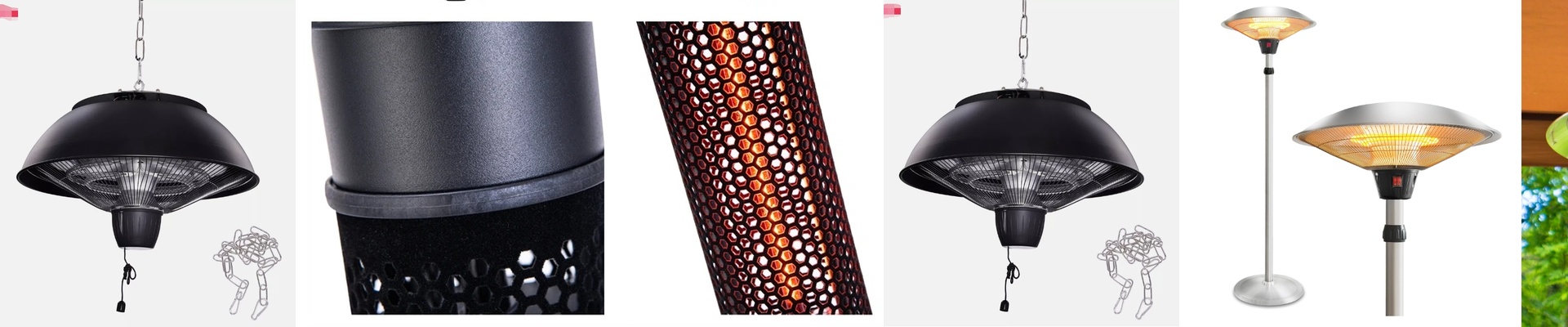
If you’ve ever tried to fix an IP55-rated patio heater, you know the drill. They’re built like tanks to keep the rain and dust out, which is great—until something actually breaks. Usually, when a heating element gives up the ghost after a few winters, you’re stuck. You either toss the whole chassis in the scrap heap or spend an entire afternoon swearing at rusted screws and wrestling with cramped wiring. It’s a headache nobody needs. A better way to do it We decided to stop fighting the hardware and just change how it’s built. Instead of hard-wiring the element directly into the power rail, we moved to a modular carriage system. Think of it like a cartridge. The heating tube sits in its own bracket with quick-connect terminals. Now, you don’t have to gut the entire machine. You just pop the housing cover, slide out the dead module, and click a new one into place. A job that used to take two hours now takes about fifteen minutes. It’s a relief. Building for the real world Here’s the thing: IP55 enclosures trap a lot of heat. Over a few years, that constant heating and cooling beats up the solder joints and the quartz glass. To keep things from warping or shifting, we swapped in high-temp silicone gaskets and beefed up the mounting clips. Now, fair warning—adding more connection points can sometimes lead to more problems. To stop oxidation from creeping in, we used gold-plated contacts. But you still need to give those terminal screws a quick tighten every few seasons. It only takes a second, and it keeps the arcing away. The “Shop Floor” reality If you’re managing a whole fleet of these Heaters, you can’t afford to have a specialized technician on speed dial for every burnt-out tube. With a modular setup, you just keep a few spares in the warehouse. Any maintenance person can handle the swap. They don’t need an engineering degree; they just follow the alignment markers, slide it in, and they’re done. It just makes life easier.