Keeping Things Warm: The Truth About Outdoor Infrared Heating
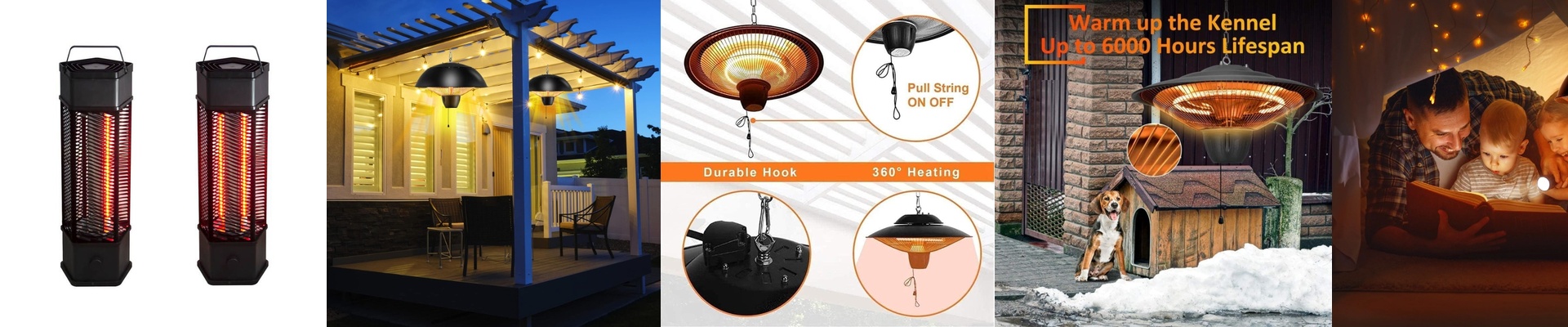
Ever walked into a freezing locker room and wished you could just… flip a switch and feel the heat? That’s where shortwave infrared (SWIR) comes in. Most heaters try to warm up the air, which takes forever—especially when the wind is blowing or the room is huge. SWIR doesn’t bother with the air. It sends heat straight to you and the things around you. It’s instant. You feel it the second you step under it.
Dealing with Water and Steam
If you’re putting these in changing areas or outdoors, you’re dealing with a lot of moisture. Steam, rain, splashes—it’s a mess. That’s why we stick to the IP66 standard. In plain English? The units are totally dust-tight and can take a high-pressure blast of water from any angle without flinching. We use high-temp gaskets to seal everything up tight. If you cut corners here, moisture will find a way into the terminals. Then you’re looking at short circuits or lamps that burn out way too early. Not a great look.
The Secret to That “Five-Star” Feel
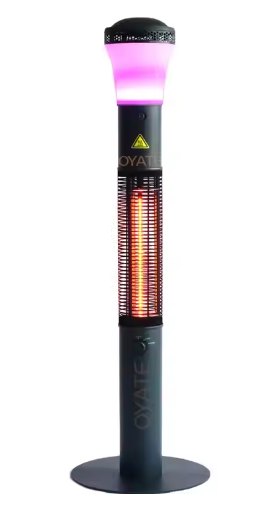
To get that deep, cozy warmth quickly, we use high-wattage quartz elements. This specific kind of heat penetrates right through your clothes and into your skin. It’s fast. Really fast. We use reinforced quartz glass because these things go from cold to scorching in a heartbeat, and standard glass would just crack under that kind of stress. One heads-up, though: these lamps are powerful. If you mount them too low or at a weird angle, you’ll create “hotspots.” You don’t want to accidentally melt a ceiling finish or make your guests feel like they’re standing too close to a campfire.
Setting Them Up and Keeping Them Running
The best part? These are basically drop-in replacements for most outdoor heating setups. We use heavy-duty wiring so you don’t lose power over long distances. The only real chore is the cleaning. Keep those reflectors shiny. If dust or salt builds up on the polished aluminum, your heat won’t “throw” as far. The lamps have to work twice as hard to do the same job, which just kills their lifespan. A quick wipe-down every now and then saves you a lot of money in the long run.