Why Your Bathroom Heater Keeps Dying (And How to Fix It)
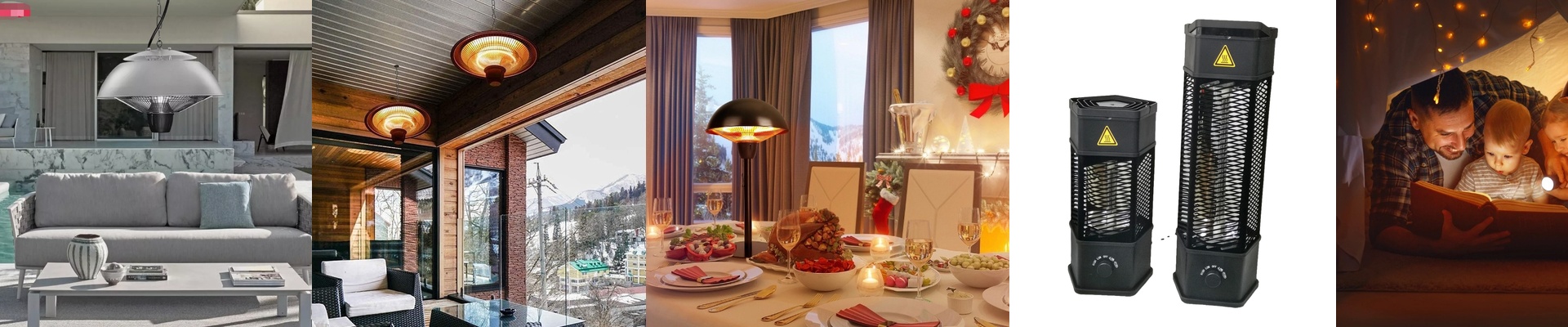
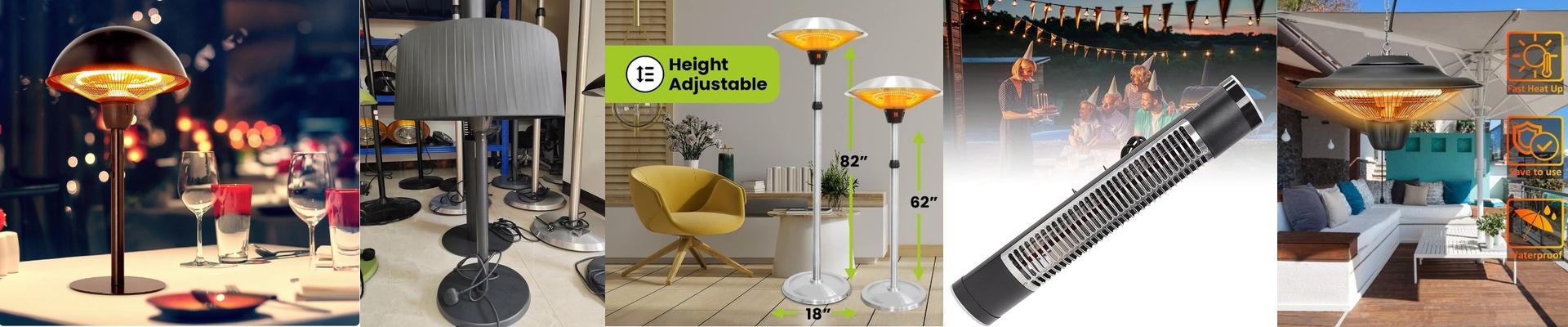
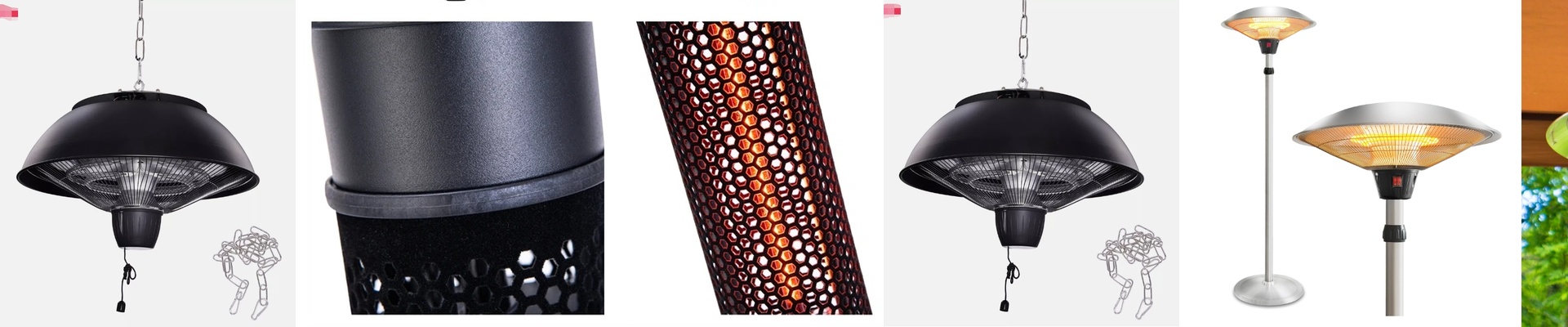
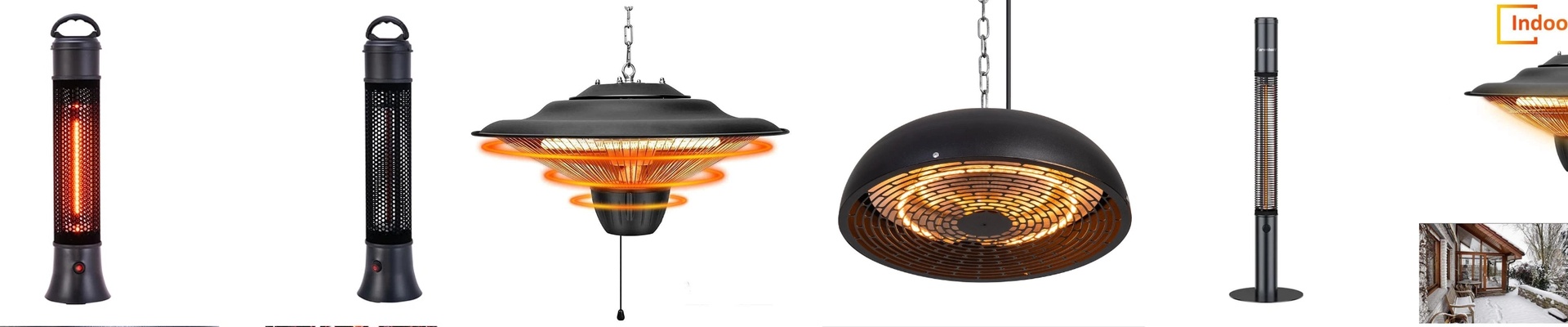
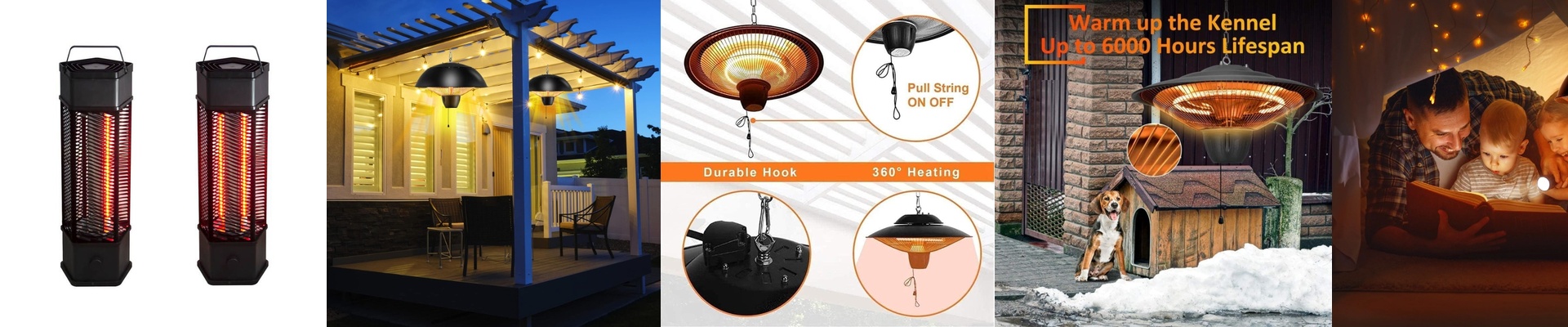
Let’s be honest: those old halogen heaters are a pain. You’ve probably seen it happen—you step out of a steaming shower, and the heater just gives up. It burns out or shorts because steam finds its way into the housing. It’s frustrating, and frankly, it’s a waste of money. That’s why we’ve been moving toward IP66-rated infrared heaters. The battle against steam If you aren’t a tech nerd, “IP66” basically just means the thing is sealed tight. It keeps out dust and handles powerful jets of water. In a bathroom, you aren’t just dealing with a few drops of water. You’ve got thick, pressurized steam and direct splashes. When a tiny bit of that moisture hits a red-hot filament, the glass cracks from the thermal shock. Simple as that. A proper IP66 housing stops that moisture from ever reaching the electrical parts. No leaks, no cracks. Heat that actually hits you Here is the cool part about the physics. Old heaters try to warm up the air in the room, which takes forever. Infrared is different. It sends heat straight to your skin. We use shortwave emitters because they work instantly. You don’t need those clunky convection fans that eventually get clogged with dust and gunk. The units are smaller, they look cleaner, and you feel the warmth the second you flip the switch. A quick heads-up on installation Now, there is one catch. You can’t just plug these into any old 10A socket and hope for the best. Because these things pull a lot of power to get you warm fast, they need their own dedicated circuit. If you try to skimp on the cabling, you’ll get voltage drops, and your lamps just won’t get as hot as they should. It’s worth doing the wiring right the first time. Since we started swapping out those old lamps for IP66 infrared, our maintenance calls have pretty much vanished. No more replacing blown fuses or cracked bulbs every winter. It’s just a smarter way to build a bathroom.