Stop Losing Money Every Winter
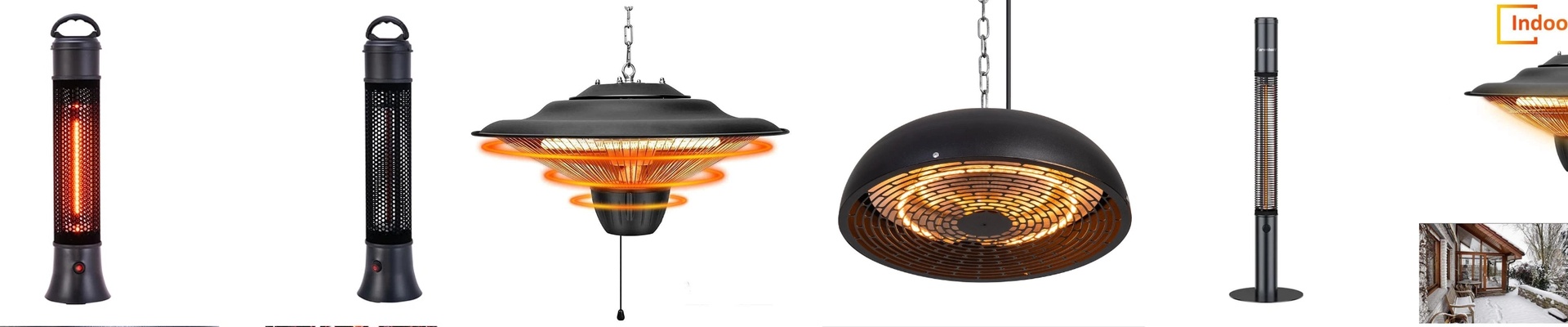
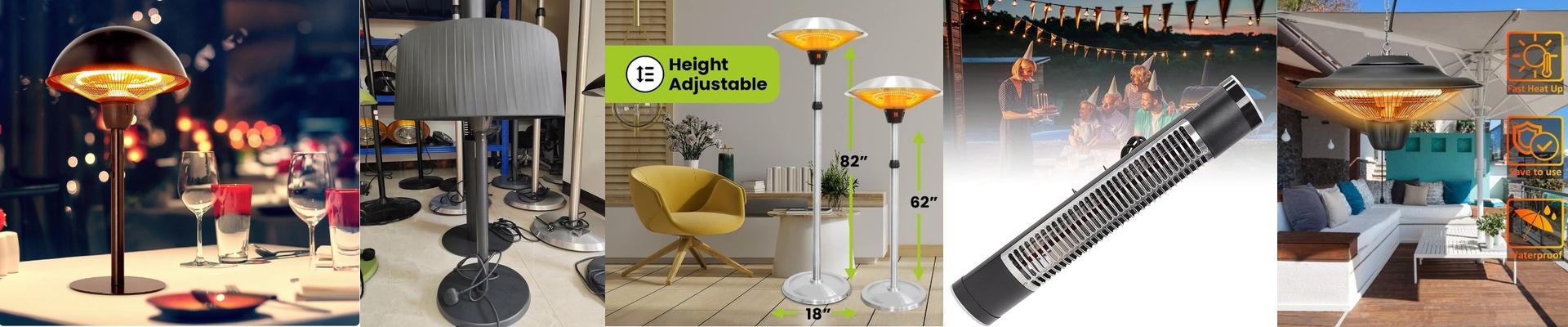
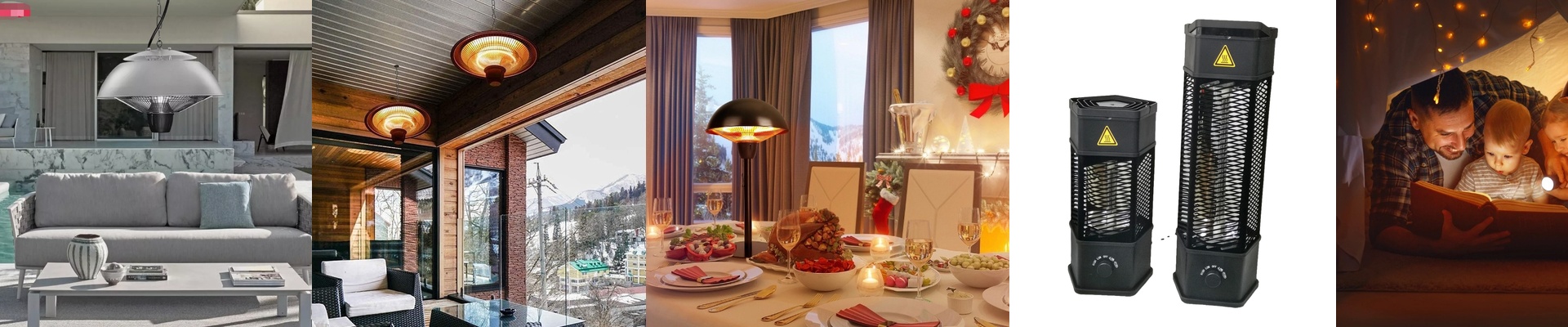
Let’s be honest: most outdoor heaters are a joke. You turn them on, a breeze kicks up, and all that expensive warm air just vanishes into the night. Your guests are shivering, they’re rushing through their meals, and you’re losing money. That’s why we use shortwave infrared (IR) heaters. Here is the secret: they don’t bother heating the air. Instead, they beam heat directly onto your guests and their tables. It feels like sitting in the sun on a spring day. And because it’s not heating the wind, the breeze doesn’t matter. The heat stays where it belongs—on the people.
Getting the Power Right
We use high-wattage quartz elements because nobody wants to sit around waiting to get warm. The second a guest sits down, they feel it.Immediately. We also make sure everything is sealed tight. Rain, snow, slush—it doesn’t matter. The wiring and elements are IP-rated, so you don’t have to worry about a sudden storm causing a short circuit in the middle of a dinner rush. But here is where people usually mess up: the wattage. If you go too low, your guests are still going to be cold, no matter how fancy the lamp looks. For an open patio, we usually suggest 600W to 1000W per person. Don’t skimp here.
Built to Take a Beating
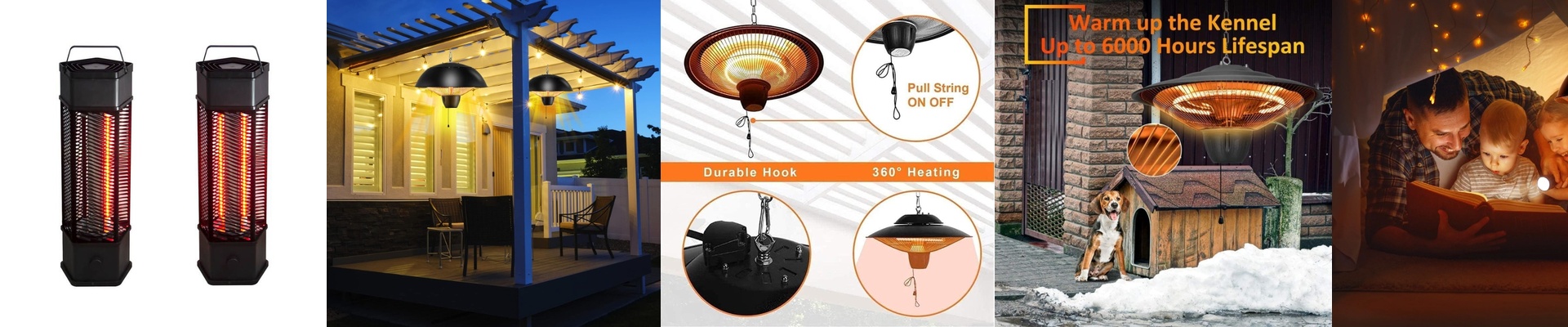
These things live in a tough world. Salt air, humidity, and general wear and tear can eat a cheap heater for breakfast. That’s why we use corrosion-resistant alloys for the housing. No rust, no flakes. We also use high-temp rated wiring. When these units are running at full blast all night, the last thing you need is the insulation melting. And about that bright light? We’ve added a special coating to the quartz tubes. It keeps the heat pumping out but kills that blinding glare, so your guests can actually see their food.
The Bottom Line
When people are warm, they stay longer. They order another round of drinks. They order dessert. You basically turn a six-month season into a twelve-month business. Just a heads-up on the electrics: these heaters pull a lot of power. Before you install twenty of them, check your breaker panel. If your building is a bit older, you might trip the mains if everything hits at once. The fix is simple—just stagger the circuits. It takes a little more planning upfront, but it saves you from a dark patio on a Friday night.