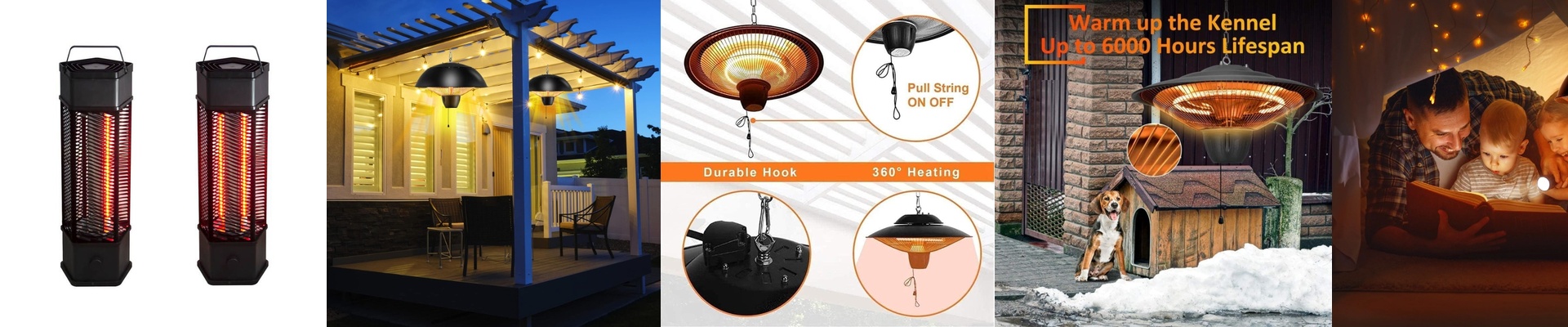
Why Your Bathroom Heater is Actually a Mold-Fighter
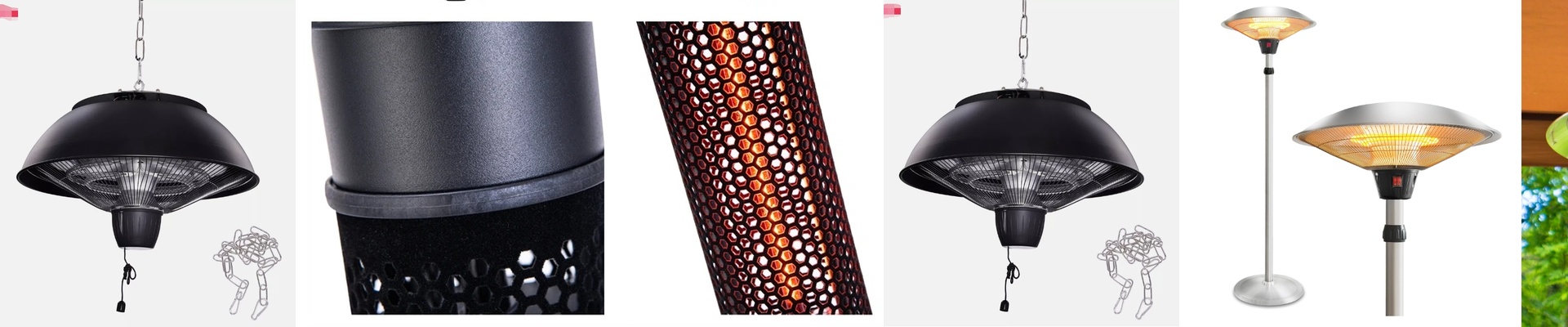
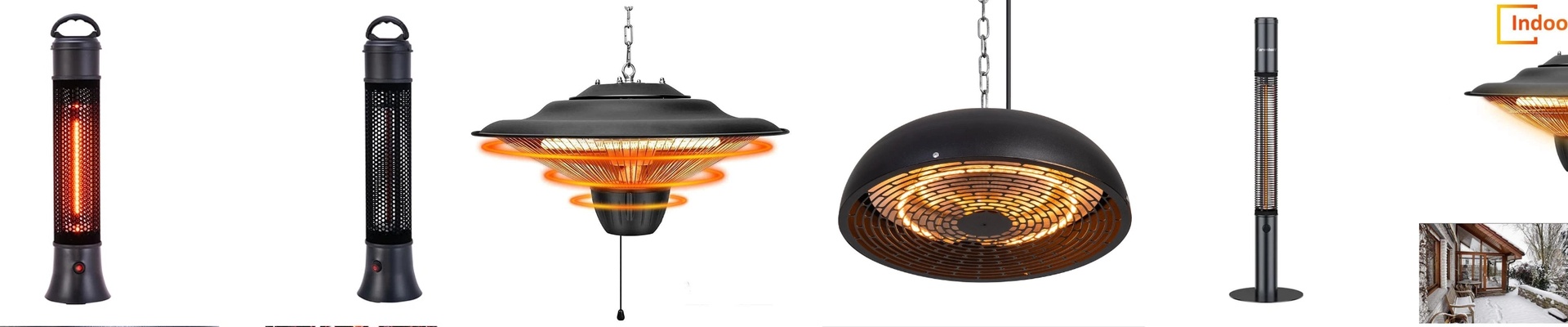
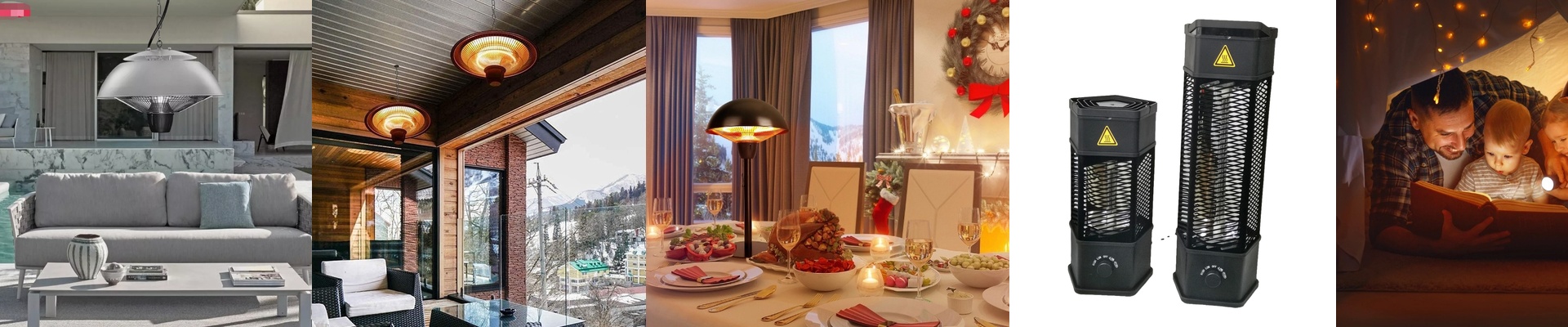
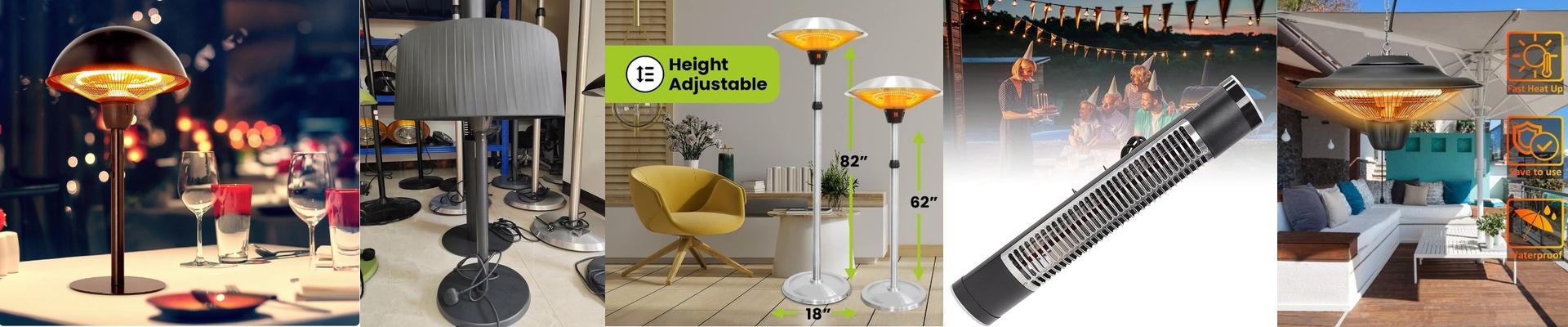
Most people assume a bathroom heat lamp is just there to keep you from shivering while you dry off. But it’s doing a lot more than just warming up the air. We build these units to hit water molecules and organic spores with specific infrared wavelengths. When you pick an IP44-rated heater, you’re not just buying a “safe” lamp—you’re managing how moisture behaves in your room.
Stopping Mold Before It Starts
Mold loves those cold, damp corners where the air just sits still. To fight that, we use short-wave infrared (SWIR). Think of it as spectral energy. Instead of just making the room feel cozy, this radiation pushes the moisture off your walls and ceilings and into the air. Once the water is airborne, your exhaust fan can actually do its job and pull it out of the house. Basically, if you keep the surface temperature above the dew point, condensation never settles. No standing water means mold spores can’t get a foothold. It’s a simple, mechanical way to solve a gross biological problem.
The Truth About IP44 Ratings
IP44 is just a fancy way of saying the unit can handle splashes and keeps out any solid bits larger than 1mm. We seal the electrical junctions tight so steam doesn’t cause a short circuit. It’s safe. But there’s a catch. Because the unit is so well-sealed, airflow is limited. If you put a massive, high-wattage lamp in a tiny bathroom, you’re probably going to trip the thermal cutout. You’ve got to match the lamp’s power to the actual size of the room, or you’ll spend more time resetting the breaker than staying warm.
A Few Tips for Installation
Do yourself a favor: wire these into their own dedicated circuit. Please, don’t daisy-chain them. These infrared lamps pull a huge amount of power the second they click on. If your wiring is too thin, you’ll get voltage drops, and that’s a quick way to kill the lifespan of your lamp. Also, use high-temp leads. You don’t want your insulation melting or burning out right next to the emitter. It’s a small detail, but it’s the difference between a heater that lasts years and one that becomes a fire hazard.