
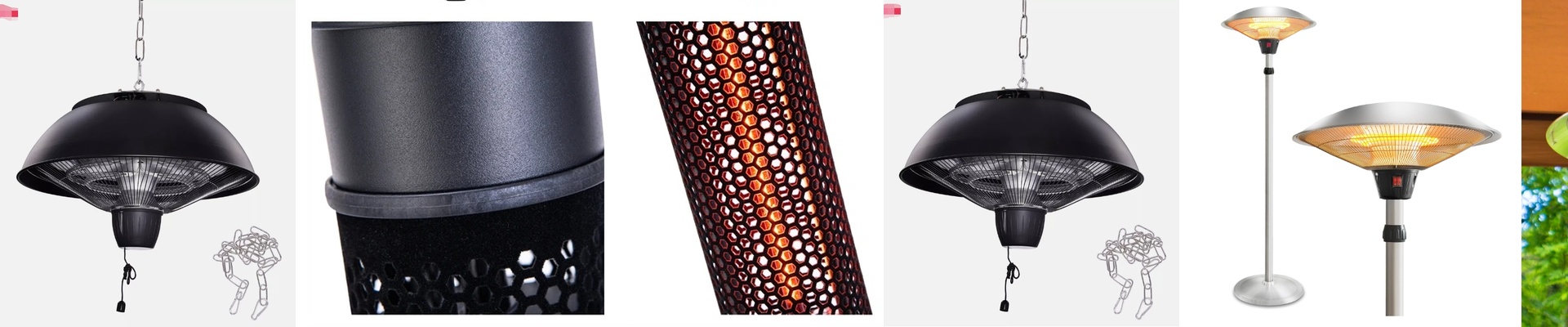
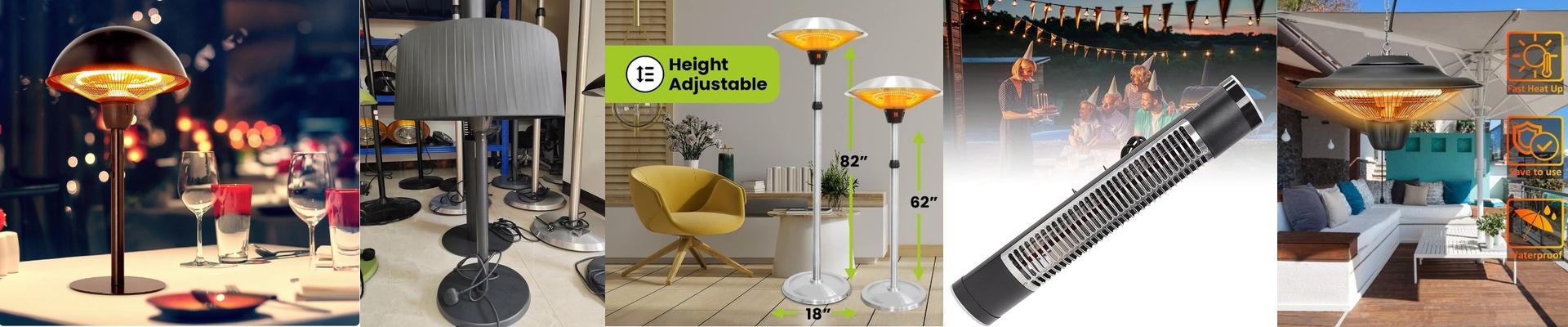
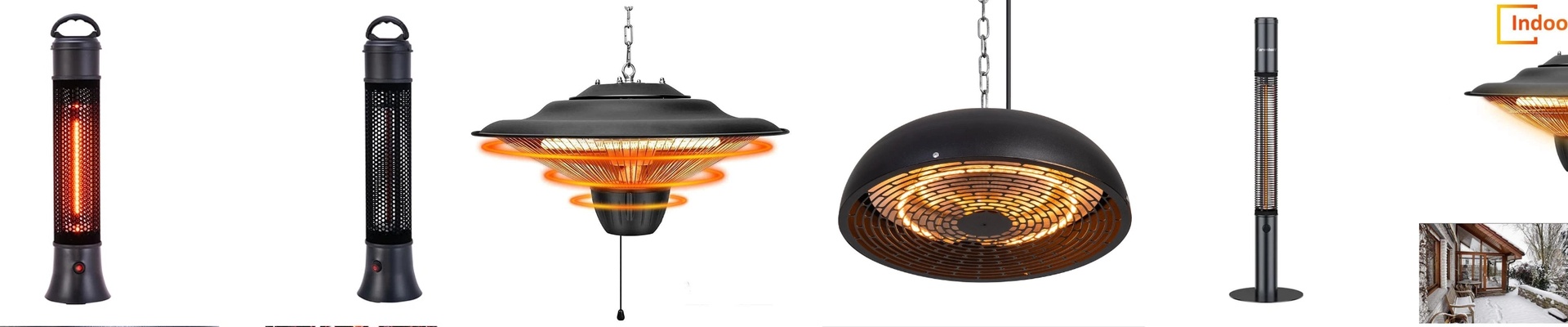
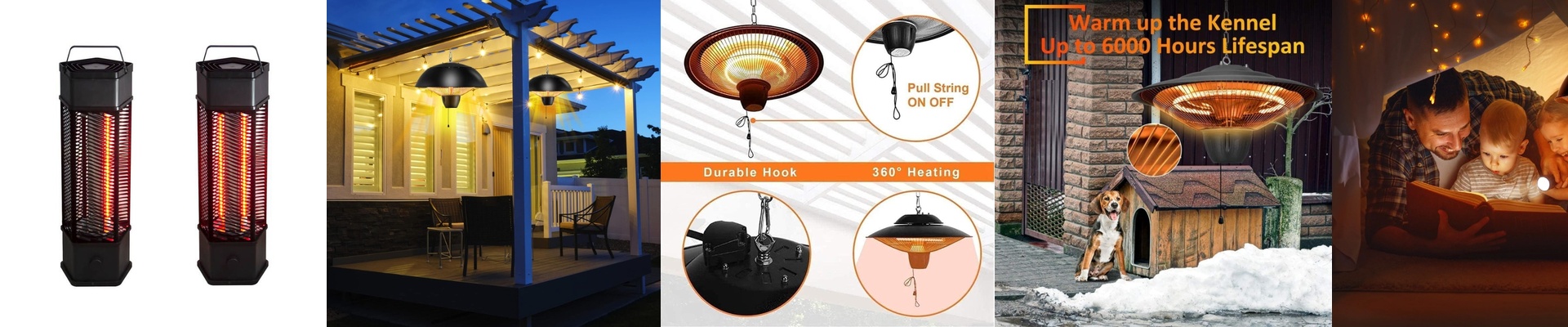
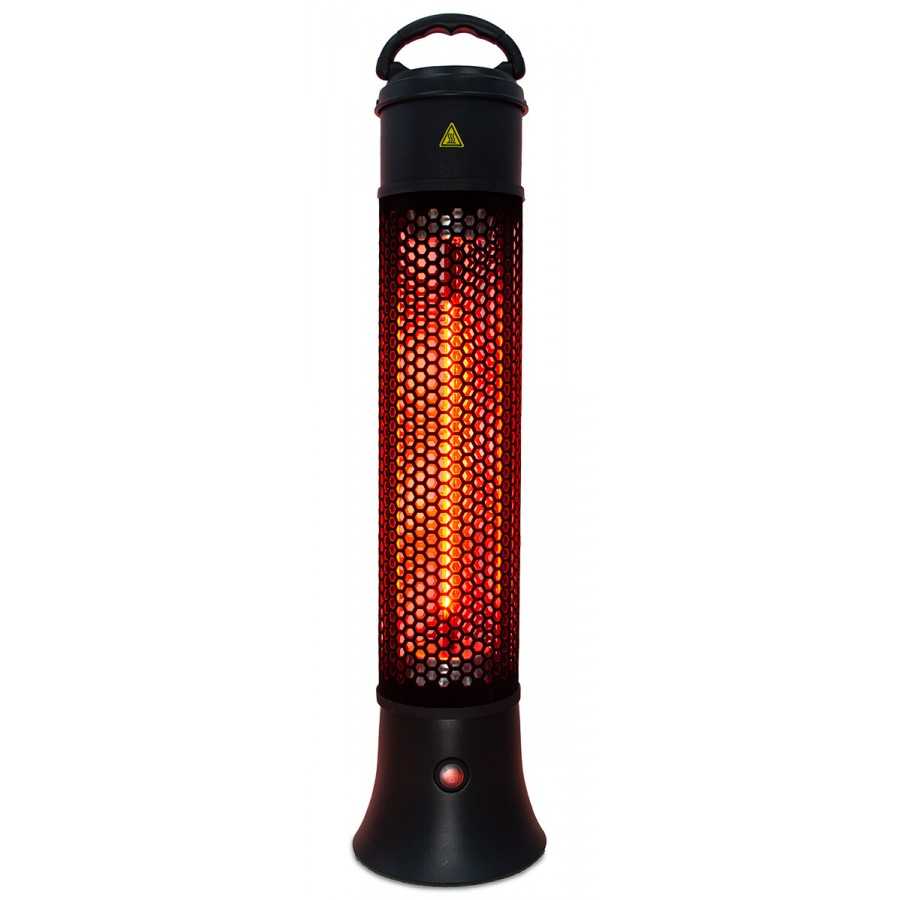
How we built the 1500W Ceiling Heater
Here is the big problem with most heaters: they try to warm up the air. But if you’re sitting in a gazebo or a breezy changing area, that warm air just floats away. You’re left shivering while your electricity bill climbs. That’s why we went with infrared. Instead of fighting the wind, these units beam heat straight to you. It feels like stepping into a patch of sunlight on a cold day. The power behind it We landed on 1500W for a reason. It’s enough punch to cut through a chilly breeze and get you warm in seconds. But we also had to be practical. We wanted something that plugs into a standard home circuit without blowing a fuse the second you flip the switch. Just a heads-up: make sure your wiring is up to the task. If your wires are too thin, you’ll lose power before it even hits the heater. Why the ceiling? Putting the heater overhead is just common sense. The heat travels in a straight line from the ceiling down to the floor. It keeps your floor space open—no bulky heaters in the way—and it keeps people from accidentally touching a hot surface. Plus, we used heat-resistant housings so you don’t have to worry about your ceiling getting scorched. The trade-off Now, there is one catch. High-power heaters create a “hot zone.” If you’re standing right under the lamp, it feels amazing. But if you move a couple of meters away? You’ll feel the temperature drop pretty quickly. The trick is not to rely on one giant heater in the middle of the room. Instead, space a few units out across your ceiling. That way, everyone stays cozy, no matter where they’re sitting. A few tips for installation Give these their own dedicated circuit. You don’t want to share a line with your toaster and your vacuum. Also, use high-temp cabling for the final connection. Regular wires can melt if they’re too close to the heat source, and nobody wants that. And if you’re putting this in a steamy changing room, double-check the IP rating on the housing. Keeping the moisture out is the only way to make sure it doesn’t short circuit.