


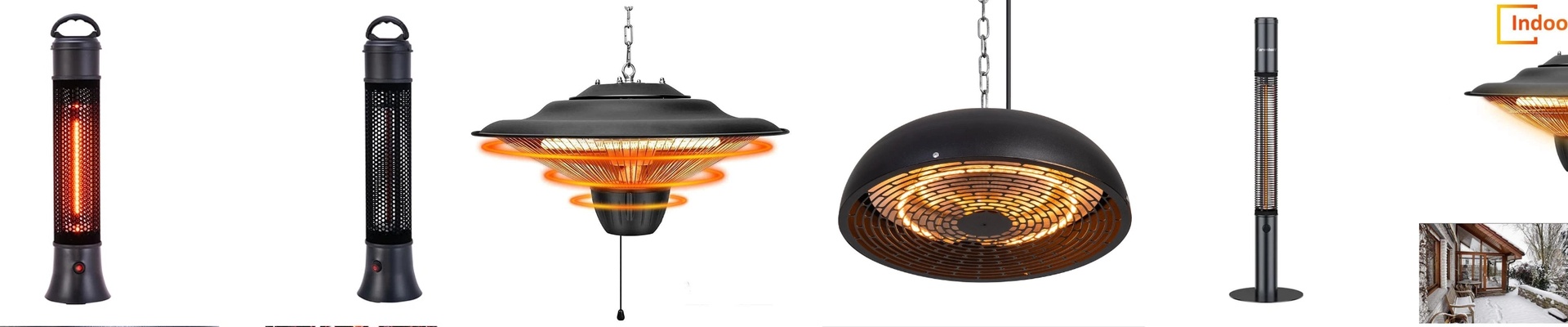


Keeping Your Bathroom Infrared Heaters Safe (And Your Toes Dry)
Putting an infrared heater in a bathroom is a great move—nobody likes stepping onto a freezing floor after a shower. But here’s the thing: bathrooms are basically steam rooms. Between the humidity and the direct splashes, standard wiring just doesn’t cut it. If you aren’t careful, you’re asking for a short circuit. Stopping the creep The biggest battle is at the point where the power hits the heating element. Moisture loves to sneak into terminals. If it gets in, you get “tracking,” which is just a fancy way of saying the electricity starts wandering where it shouldn’t. To stop that, we don’t use basic plastic. We use high-grade silicone seals and IP-rated boxes. It keeps the current locked tight inside the wires and the steam exactly where it belongs—in the air, not in your electronics. The “Safety Net” When you hang a heater from the ceiling, it’s sitting right above your head. That makes grounding a huge deal. We run a dedicated earth wire straight to the metal chassis. But that’s only half the job. You’ve got to pair the unit with an RCD or GFCI (the 30mA kind). Think of it as a kill-switch. If a seal fails or humidity wears something down, the RCD trips in a fraction of a second. It’s the difference between a tiny flicker of lights and a very bad day. The heat struggle Then there’s the temperature swing. One minute the lamp is cold, the next it’s glowing hot. That constant expanding and shrinking can snap cheap seals like a twig. That’s why we use heat-resistant gaskets. They can handle the “thermal shock” without cracking, so the seal stays tight no matter how many times you flip the switch. One last tip: check your ceiling void. These lamps put out a lot of heat. If that heat gets trapped in the ceiling, it can actually bake the wire insulation over time. Make sure there’s some breathing room up there. It keeps the wires healthy and keeps your home safe.