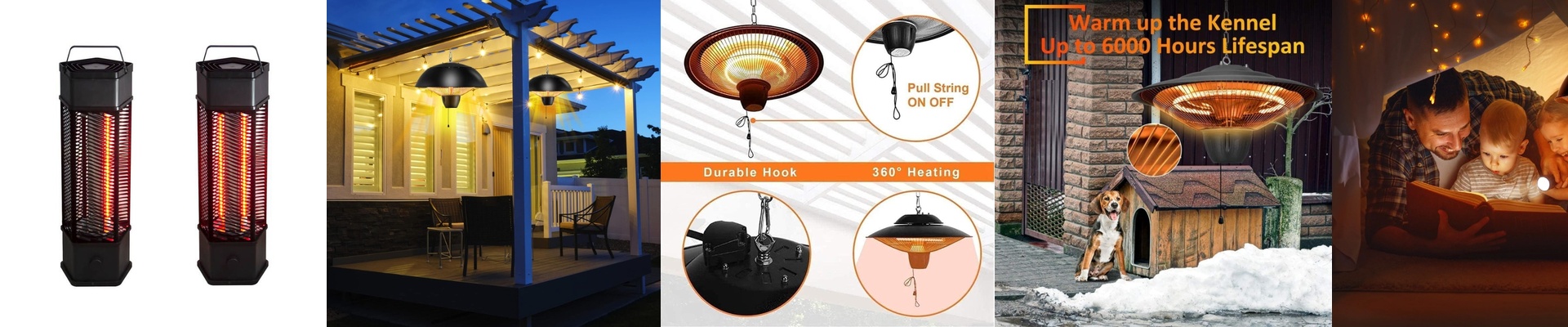

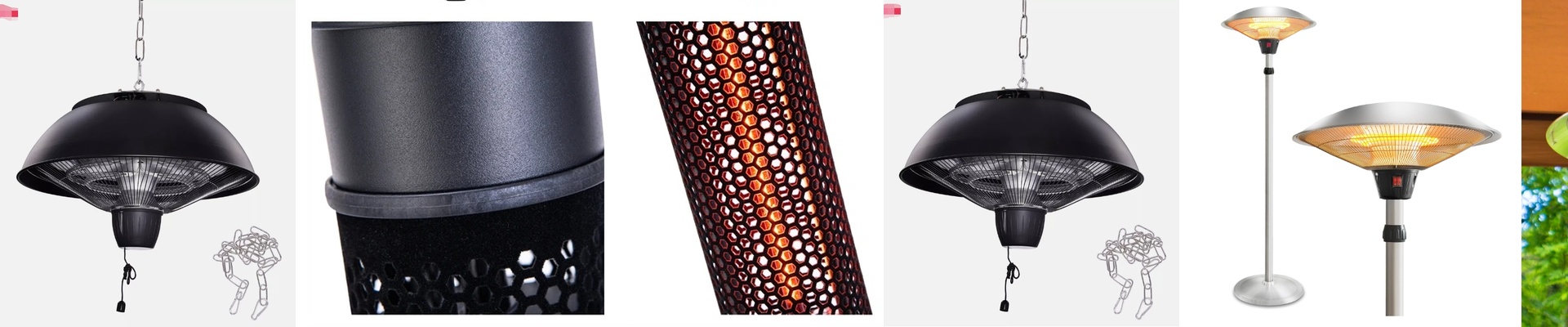

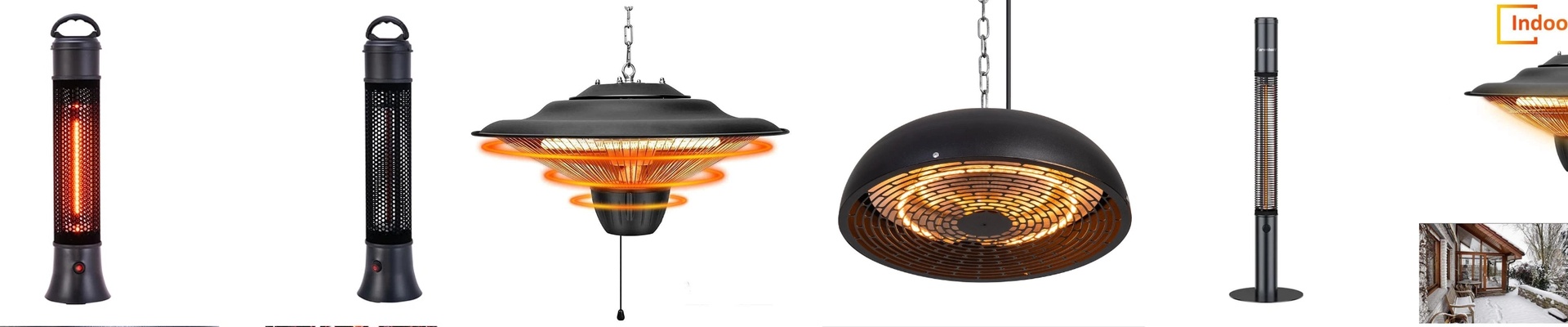
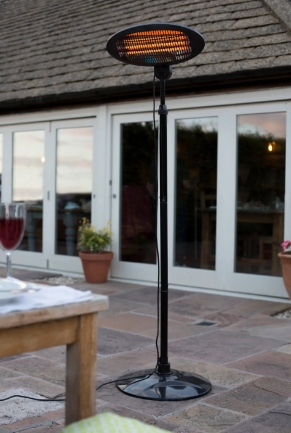
Stop Letting Moisture Kill Your Ceiling Heaters
If you’ve ever put a recessed infrared heater in a ceiling, you know the struggle. You’re basically creating a little pocket where humidity and dust love to hang out. Without a way to block that stuff, it all drifts right toward the heating element and the electrical guts. The result? Your heater burns out way sooner than it should, or worse, it just shorts out.
Why a Little Fog is a Big Deal
Water is basically kryptonite for high-wattage infrared lamps. Here’s how it happens: in a humid room, tiny droplets of condensation settle on the quartz tube. Then, the heater kicks on. That water evaporates in a split second, which creates this violent “thermal shock.” It leaves behind micro-cracks in the glass. Eventually, the vacuum seal breaks, the filament oxidizes, and—pop—your lamp is dead. We fixed this by adding anti-fog and splash-proof barriers. By sealing the housing and using gaskets that actually keep moisture out, we stop those droplets from ever touching the hot emitter. It keeps things stable. No shocks, no cracks.
Built to Take a Beating
If you’re putting these in a damp environment, you need gear that can handle it. We focused on the IP rating of the chassis, using alloys that won’t rust away at the mounting points. We also tucked the wiring into sealed conduits so steam can’t creep into the connectors. But a quick heads-up: when you tighten the seal to keep water out, you’re also limiting how the air moves. If you’re installing these in a spot with zero ventilation, the internal driver can get a bit too hot. Just make sure you’ve got enough breathing room in your ceiling void so the electronics don’t overheat.
Less Hassle, More Heat
The best part about a splash-proof design? You aren’t spending your weekends climbing ladders to swap out lamps every few months. They drop right into the same spots as standard recessed units, but they’re built for those annoying zones where water vapor is just a part of life. It’s just simpler.