Why we’re ditching old bathroom light-warmers for IR heaters
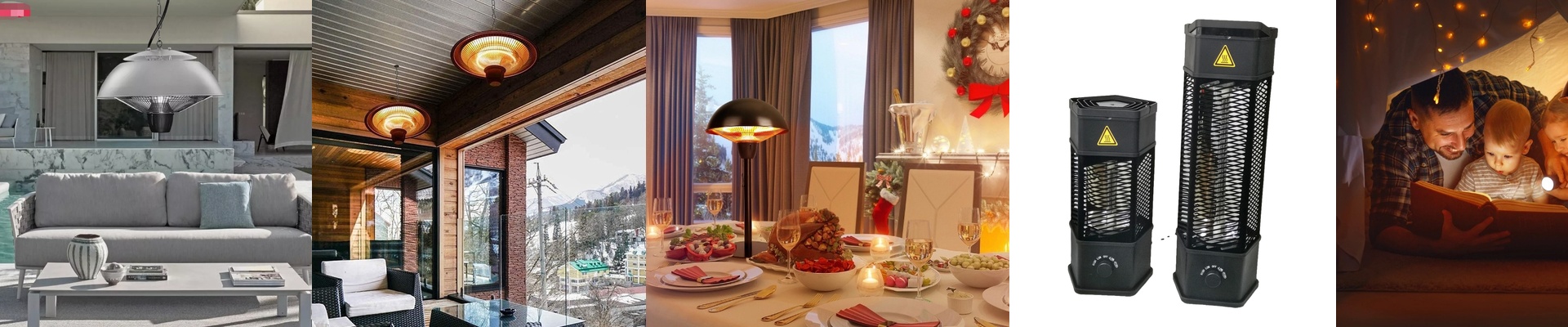
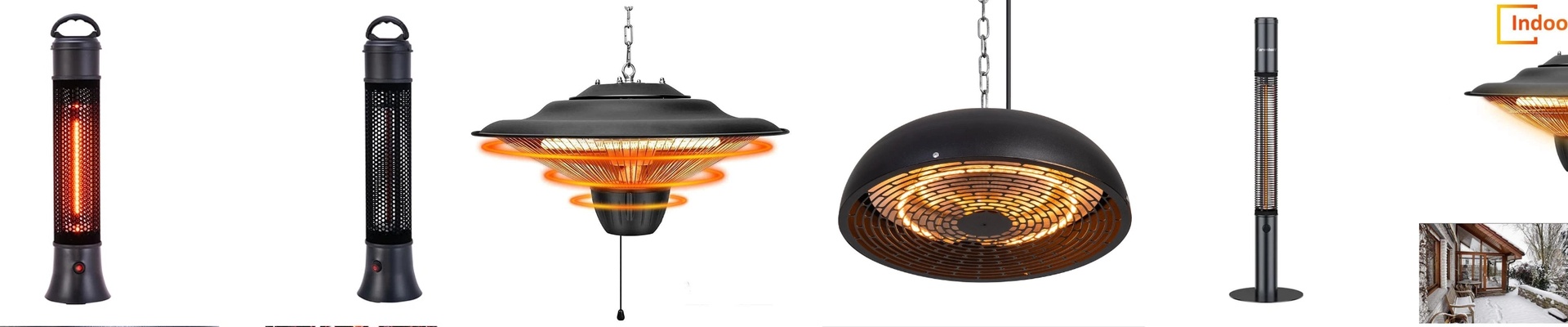
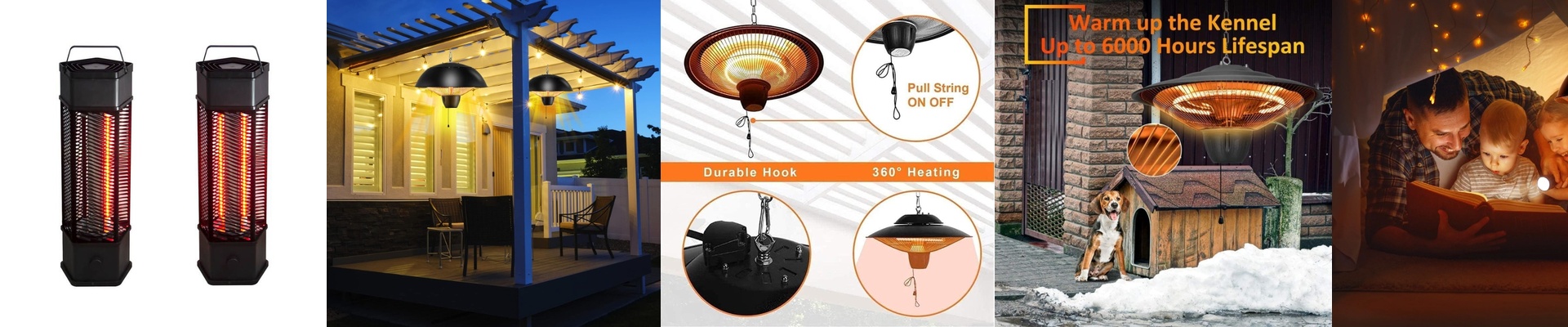
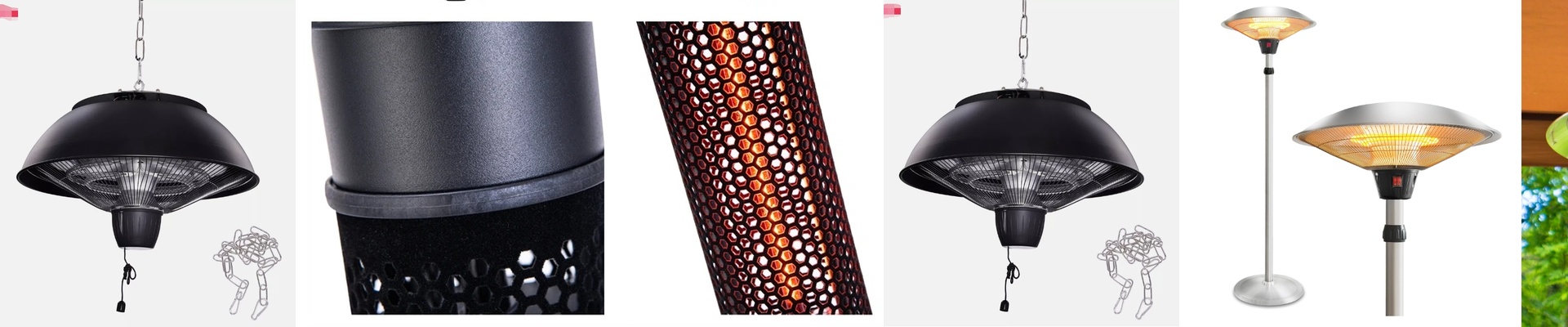
You know those old-school bathroom light-warmers? The ones that try to do two things at once by using a glowing filament to give you a bit of heat and some light? They’re kind of a waste. Most of that energy just turns into light you don’t actually need, while you’re still shivering in a damp room. That’s why we’ve been moving toward dedicated infrared (IR) heaters. Instead of trying to warm up all the steamy air in the room—which is basically a losing battle—these things beam heat directly onto you and the floor. It feels different. It’s an actual, physical warmth you feel the second you flip the switch.
The battle against steam
Here is the problem with most heaters in a bathroom: moisture. Steam gets into everything. It seeps into the housing, eats away at the wires, and eventually, the whole thing shorts out. It’s frustrating when a piece of hardware dies after just one winter. To stop that, we use heaters with high IP ratings. In plain English, that just means they’re built like a tank against water. They use sealed quartz tubes and heavy-duty gaskets to keep the steam out of the electrical bits. It means the heater actually lasts, even if your bathroom feels like a sauna every morning.
Why “Radiant” actually matters
If you’ve ever wondered why IR feels so much faster, it’s because of the physics. Infrared doesn’t bother heating the air; it just travels through it. Old light-warmers try to do this, but they’re clumsy. Proper IR elements are precise. We use high-purity quartz glass so the heat doesn’t get trapped inside the tube. Instead, it gets pushed straight down. It’s the difference between waiting for a room to warm up and feeling a warm sunbeam on your skin.
The catch (and how to handle it)
Now, I won’t tell you it’s a five-minute job. You can’t just pop these into an old light-bulb socket and call it a day. IR heaters pull more power, so you’ll need to check your wiring gauge. If you don’t, you’ll run into voltage drops, and that’s a headache nobody wants. You’ll likely need a dedicated circuit to keep things safe. Plus, you need a proper housing. These things get hot—really hot. You don’t want to just slap one on the ceiling and hope for the best, or you might end up scorching your paint. It’s a bit more work upfront, sure. But once it’s in? You never have to deal with a freezing bathroom floor again.